
Exhibit & symposium
Visualizing
Care
This research has been supported by the Department of Social Science and Cultural Studies, the Dean’s office of the School of Liberal Arts and Science, the Office of Research and Strategic Partnerships, STEAMPlant Grant, and a grant from the American Institute of Pakistan Studies. This is a LIAVH (Laboratory for Integrated Archaeological Visualization and Heritage) and Alserkal Guest project.
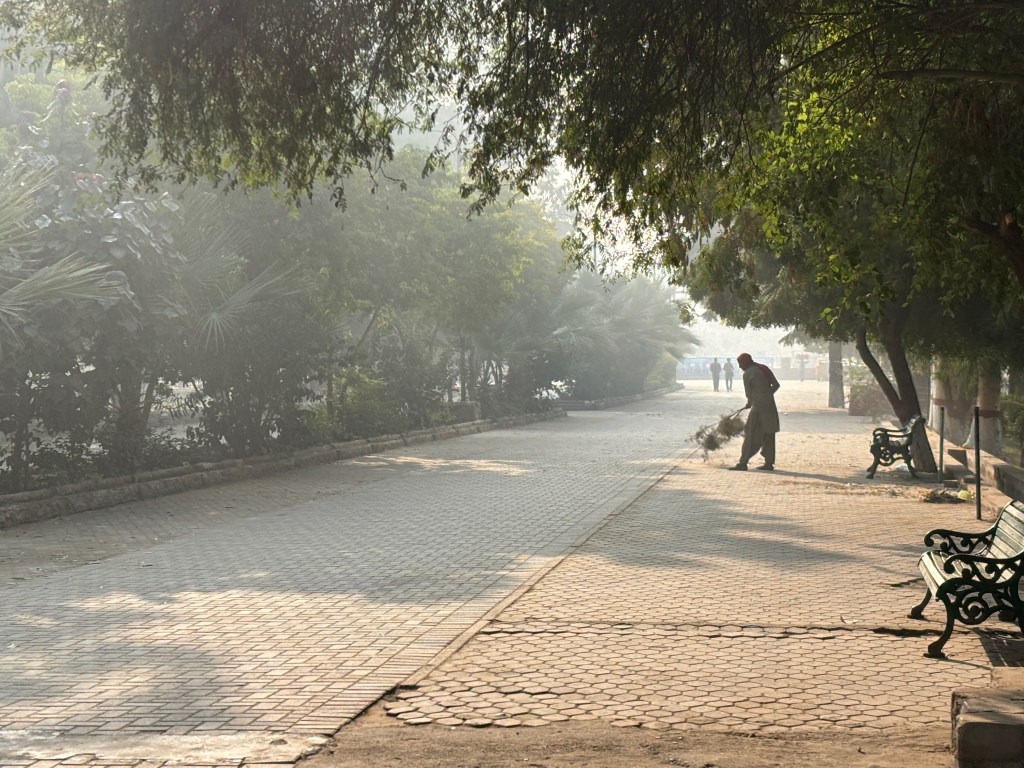
Featured Visual
0.1 / Overview
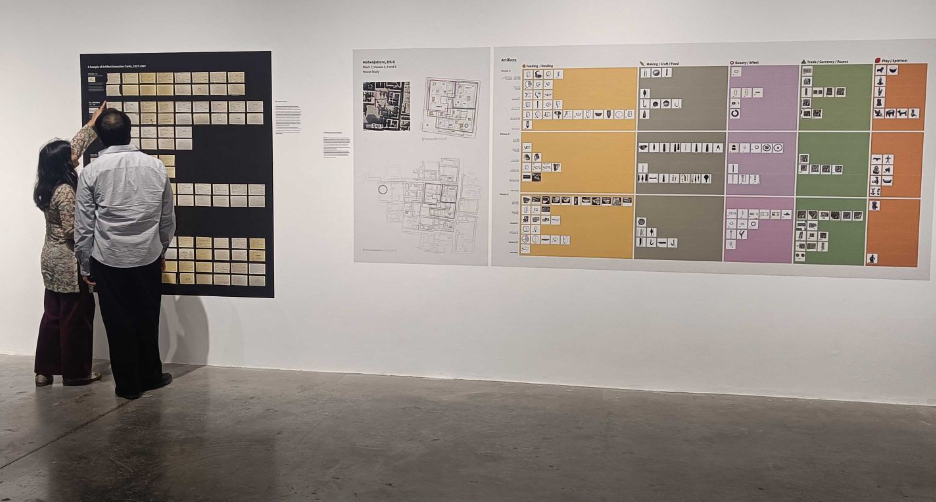
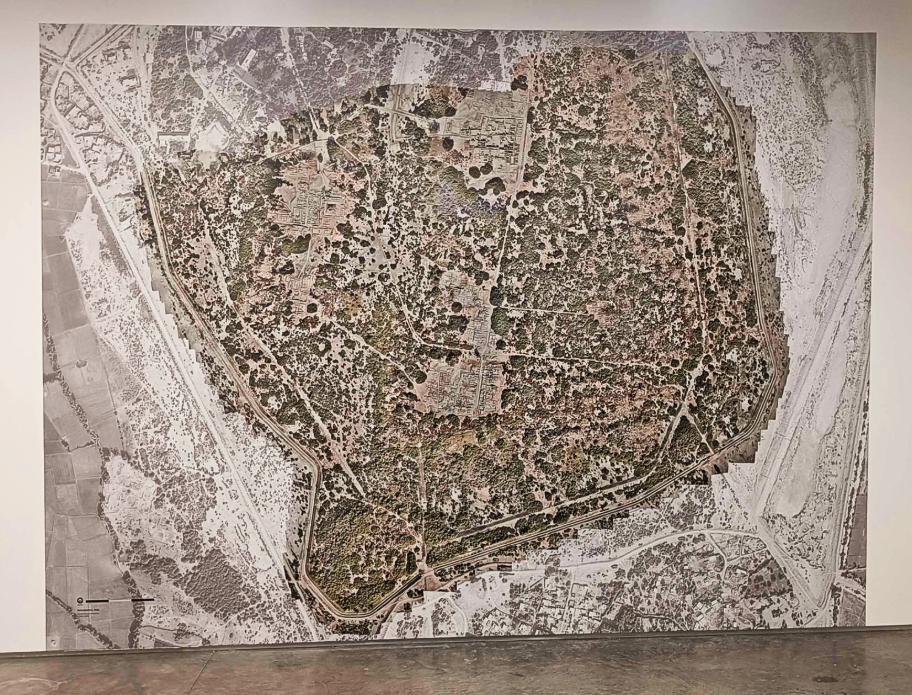
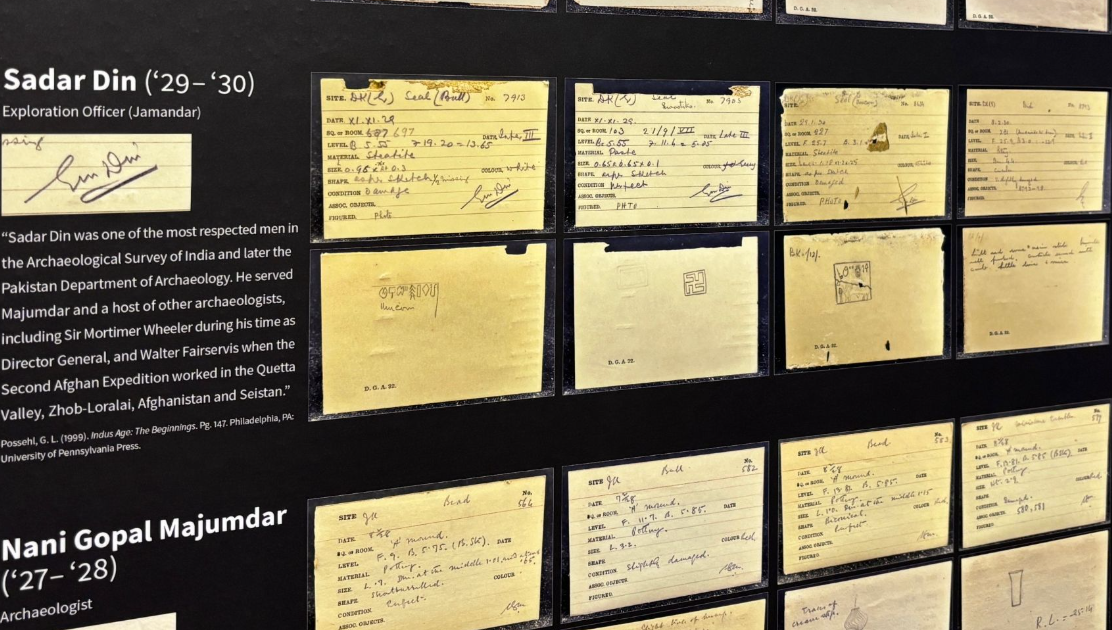
Set in the World Heritage Site of MohenjoDaro (Pakistan), Visualizing Care approaches archaeological data visualization through deep mapping. Experimenting with multimodal and accessible forms of archaeological data presentation, this exhibition provides a window into how care can be documented.
Each of the interfaces in the exhibition allow for a user-driven experience
of data exploration, designed specifically to be accessible across a range of
ages and expertise levels. Such generative and inclusive data visualisations
enable narratives of care, buried within the archaeological record, to
resurface in the present.
What does it mean to visualize an archaeological site with care?
Warehouse 50, Project Space

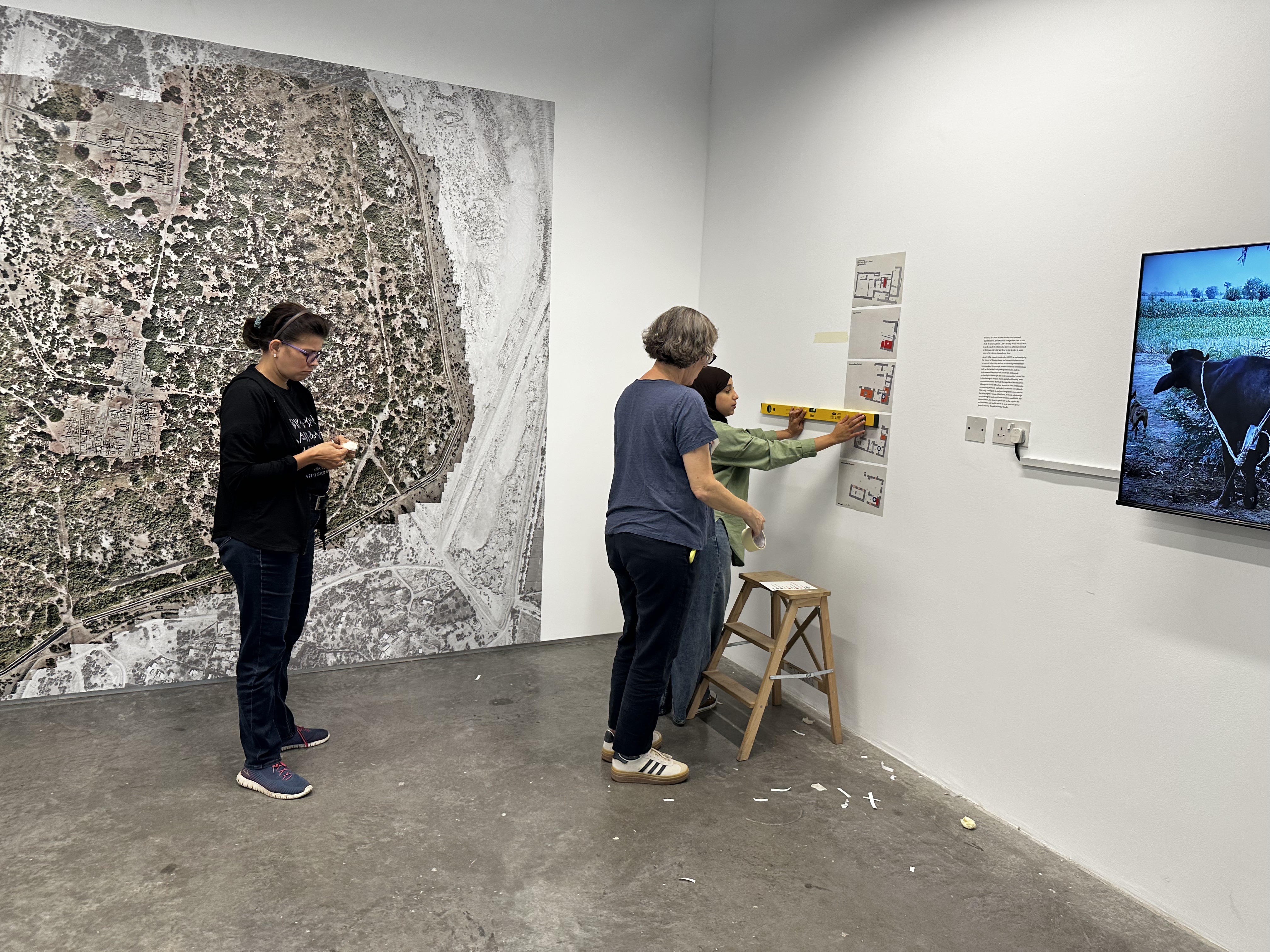
Exhibition Dates: November 11-16, 2025
Location: AlSerkal Foundation | View Exhibit Info
Pratt Institute
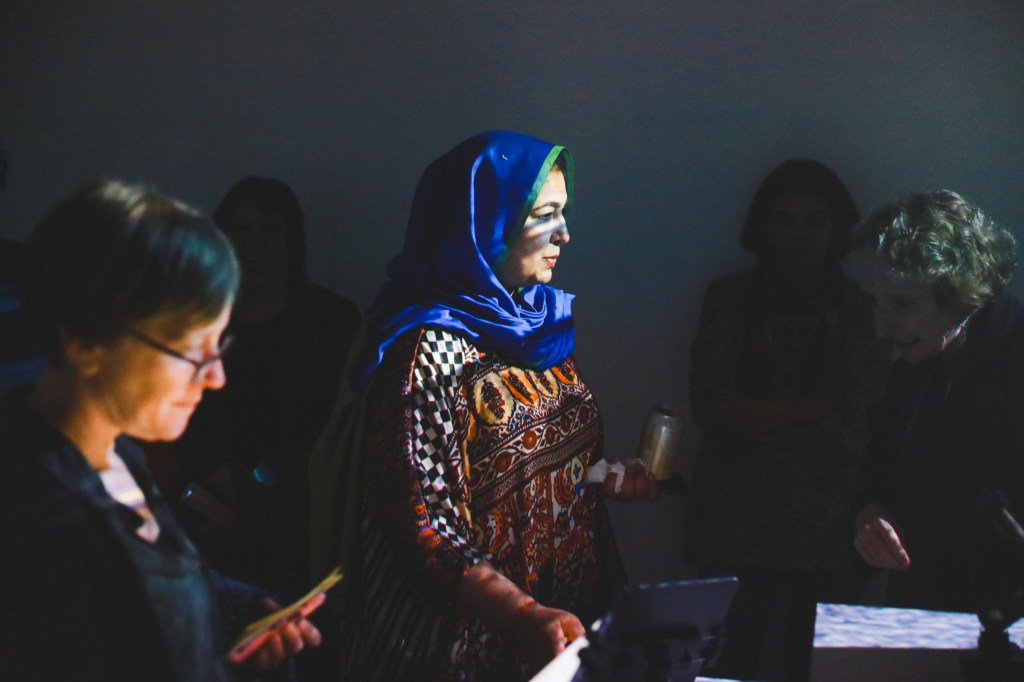
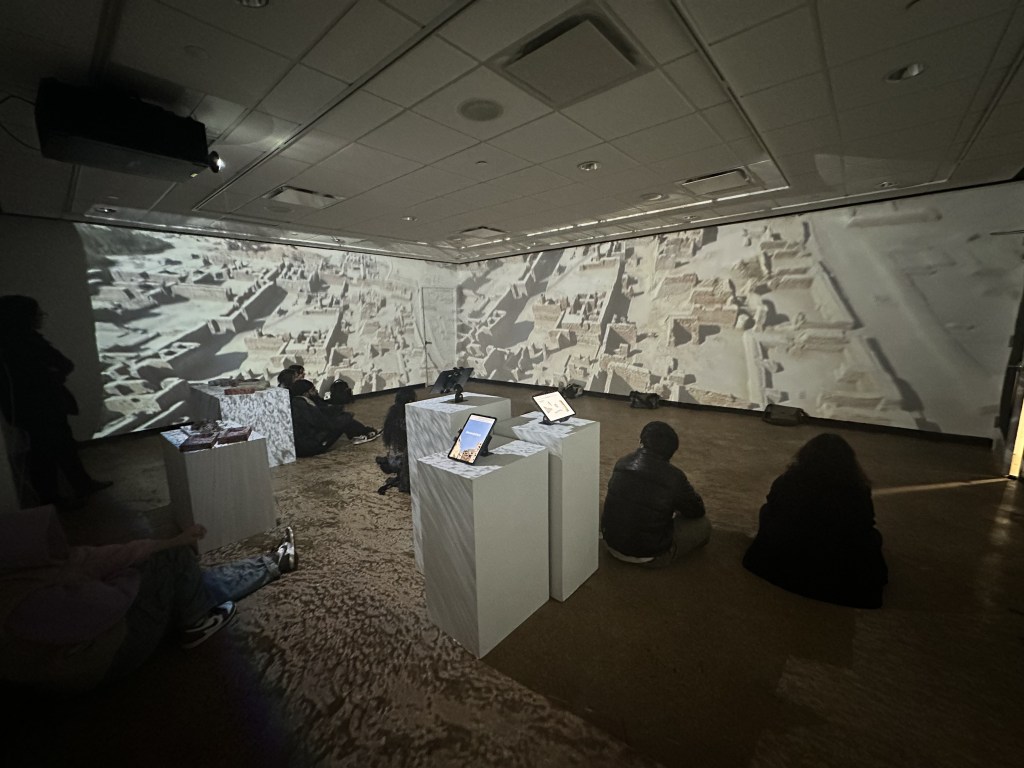
Exhibition Dates: April 3 – April 12, 2025
Location: Pratt Institute | View Exhibit Info
0.2 Exhibit Features
Immersive Film
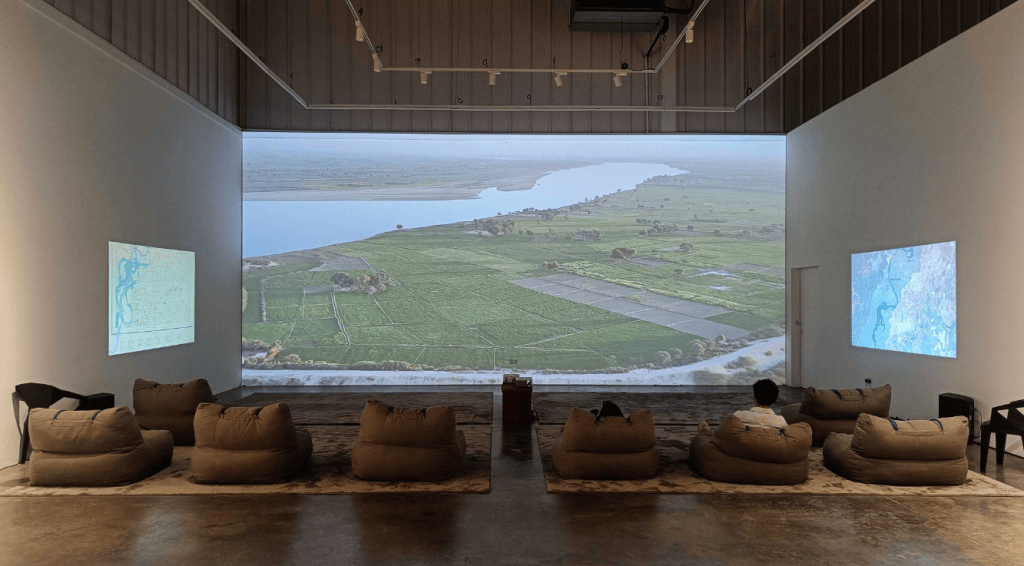
A film that brings viewers into MohenjoDaro from larger context of contemporary Indus Valley and Pakistan, zoming into a detailed view of a neighborhood, 3 houses, artifacts and narrative about care of the site, past and present.
Brooklyn: Single immersive projection integrates footage on 3 walls and floor
Dubai: 3 separate but synchronized projections at immersive scale
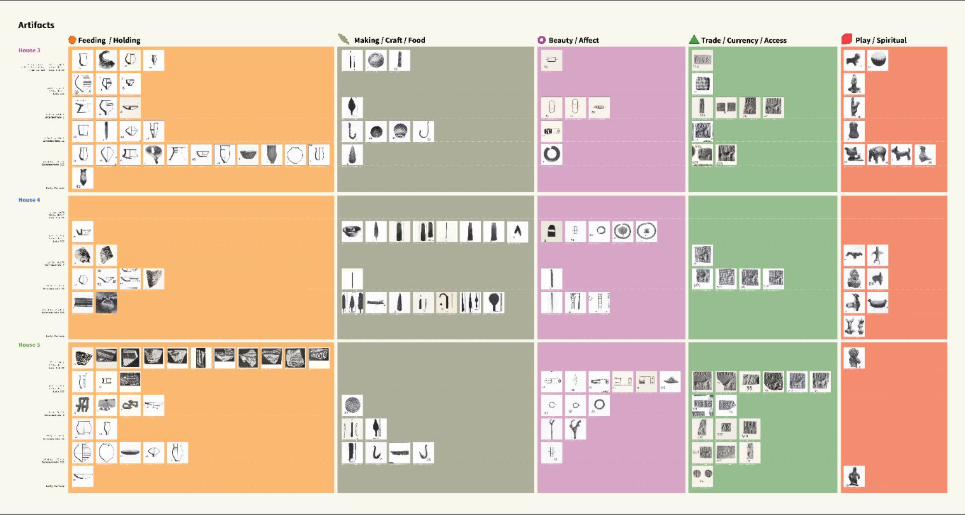
Mudbricks
The materiality of the site is further evoked through experiments conducted in a collaborative workshop entitled
Past’s Future, organised with Alserkal Arts Foundation and LIAVH, using local materials to make mudbrick.
The experiments utilised 3D-printing technology to recreate and study the distinctive wedge-shaped mudbricks used to
construct wells at the site. On display are bricks cast in mudbrick using a 3D-printed mould by participants, as well as three plastic prototypes and four milled shapes. This
display is accompanied by a silent film that documents their fabrication.
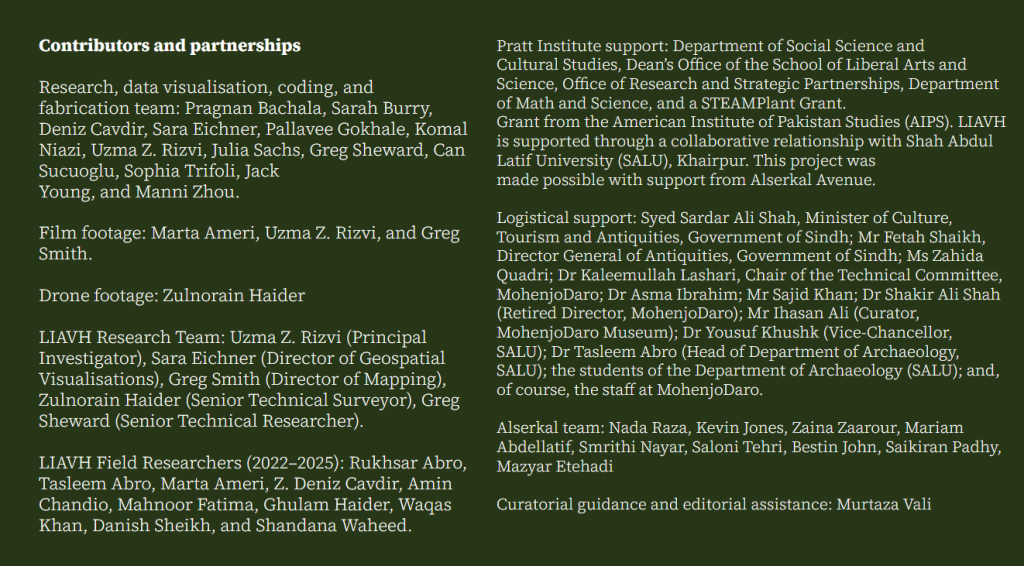
0.3 Contributors
Built through many forms of knowledge.
The project develops through collaboration among archaeologists, designers, students, visual researchers, heritage practitioners, and public audiences.
© 2026. LIAVH. All rights reserved.

