About
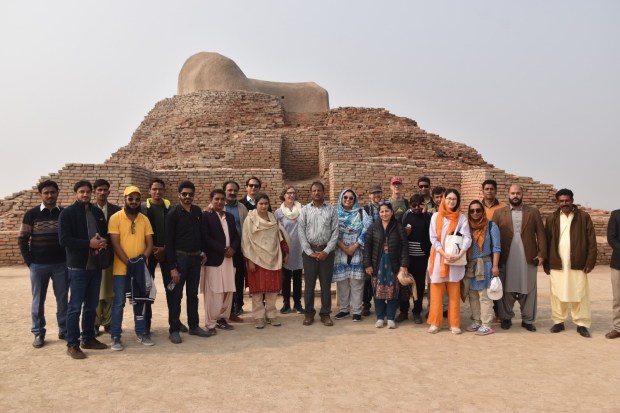
An interdisciplinary lab, making connections between technology, archaeological data management, and heritage practice.
The Laboratory for Integrated Archaeological Visualization and Heritage (LIAVH) utilizes non-invasive forms of data collection in order to develop data visualization tools that enable spatial and temporal research. We are a feminist, anticolonial, and antiracist platform focused explicitly on undoing colonial harm through generative, rather than extractive, interdisciplinary archaeological research.
LIAVH is committed to protecting the environment and community by using legacy data for analysis and research. Our research work is explicitly generative, inclusive, and accessible.
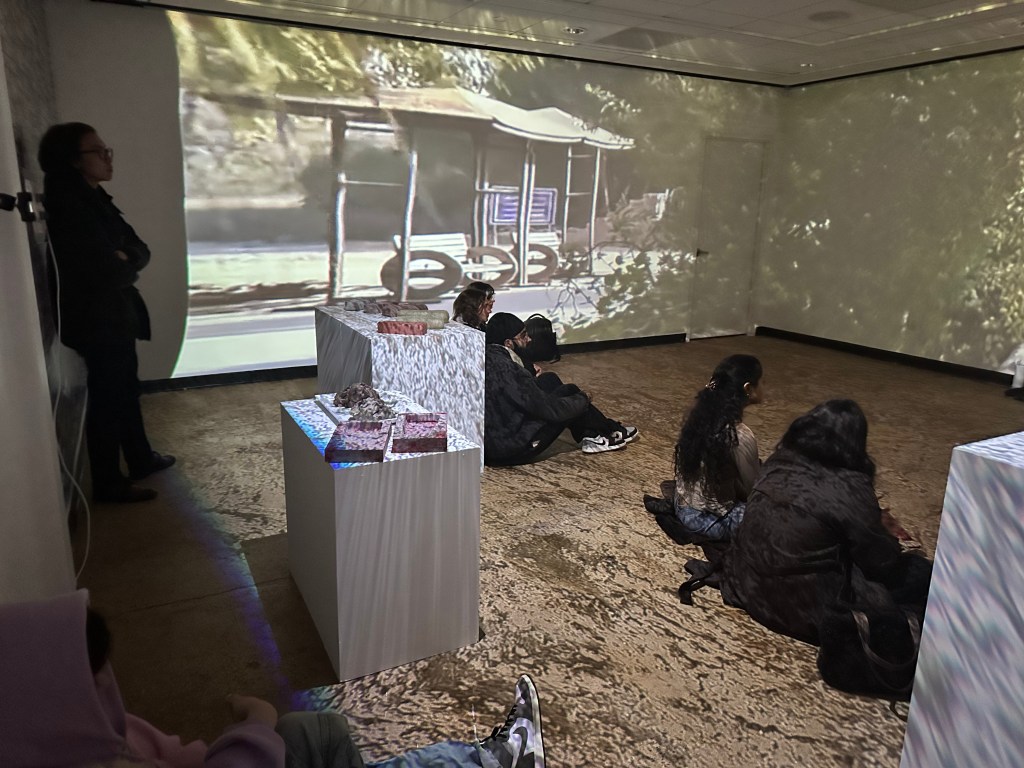
We work to make data accessible to multiple audiences. Our data visualizations communicate complex data relationships, and convey data driven insights, utilizing multiple formats, including maps, exhibitions, videos, online narratives etc.
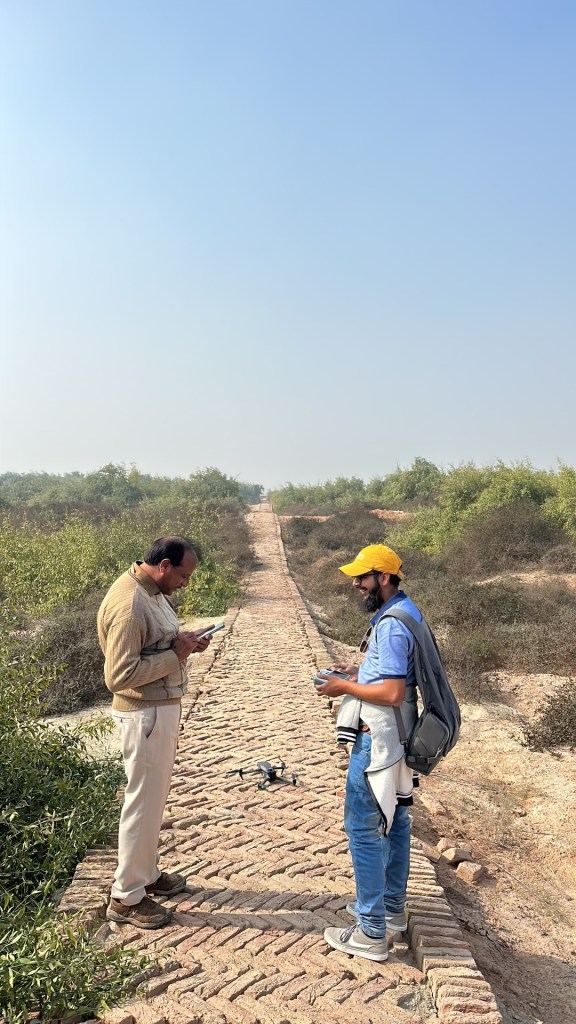
We utilize non-invasive forms of data collection in order to develop data visualization tools that enable spatial and temporal research.
News
- November 12, 2025 – Dr. Uzma Z. Rizvi presented as keynote plenary at ICOM Dubai: The Future of Museums in Rapidly Changing Communities at Dubai World Trade Center
- LIAVH awarded the Shanghai Archaeological Forum Award 2025!
Award will be granted in December. Stay tuned for more info.
Recent Work
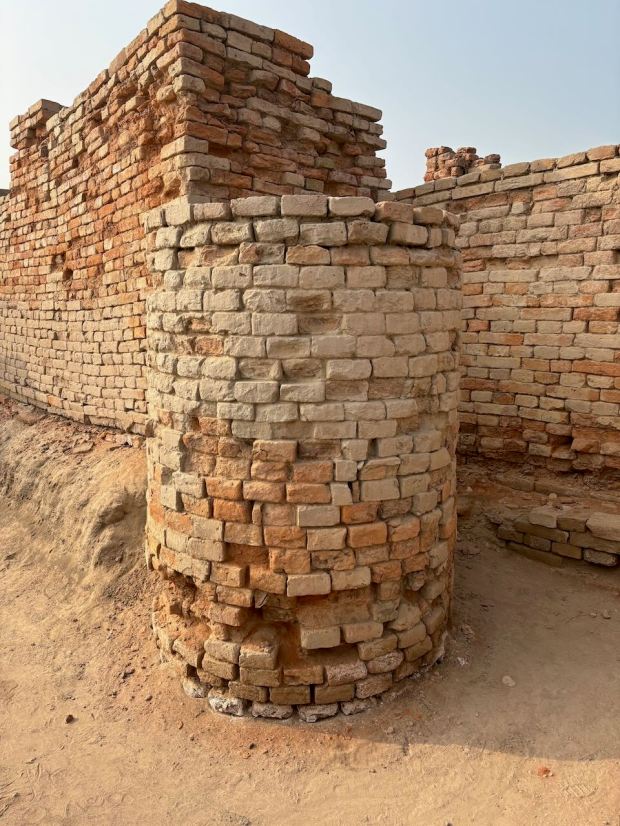
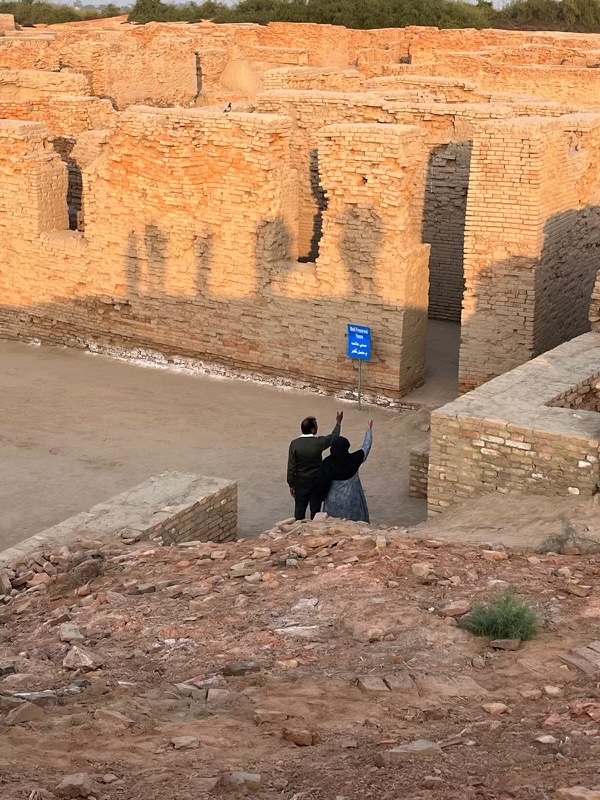
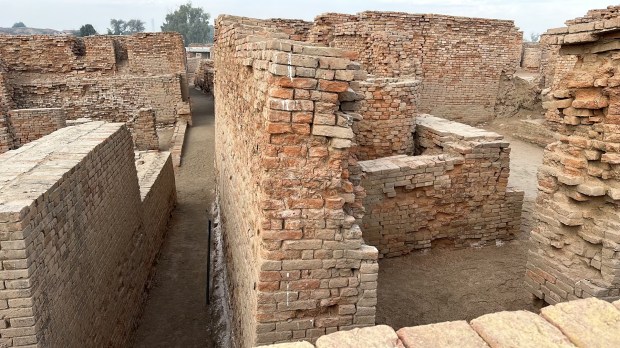
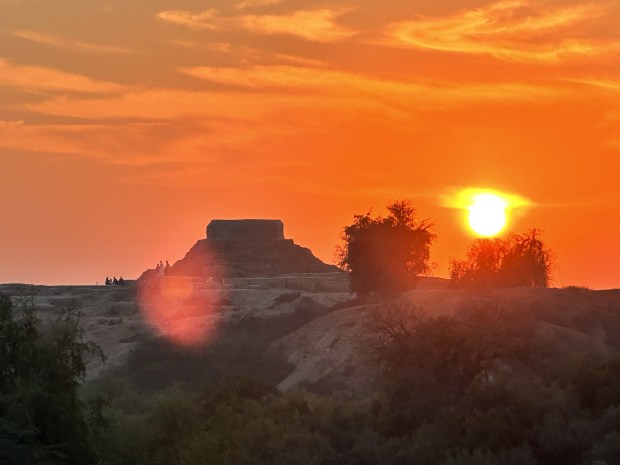
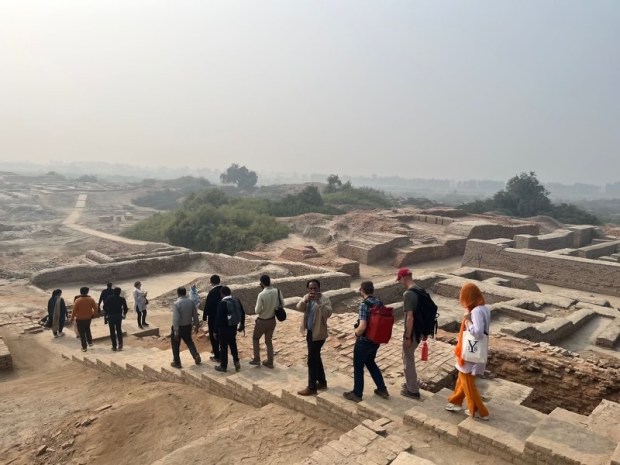
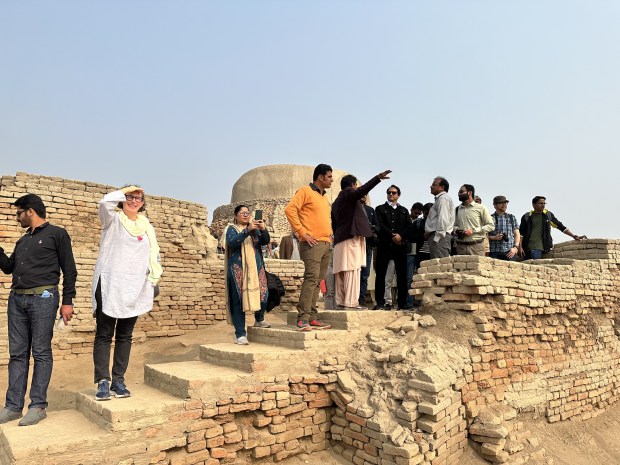
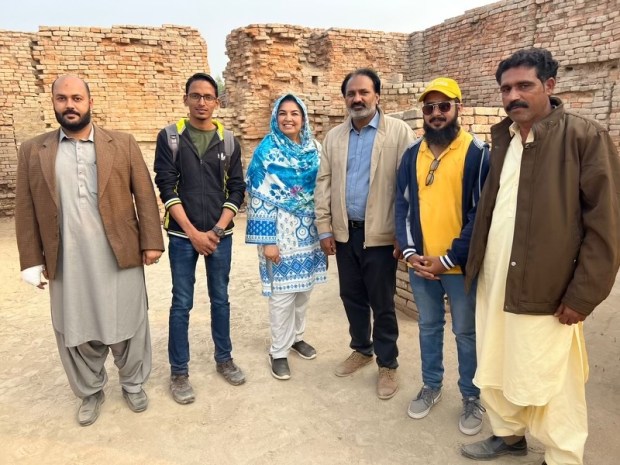
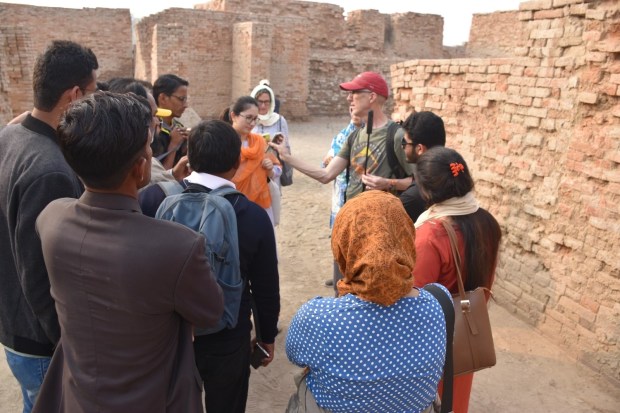
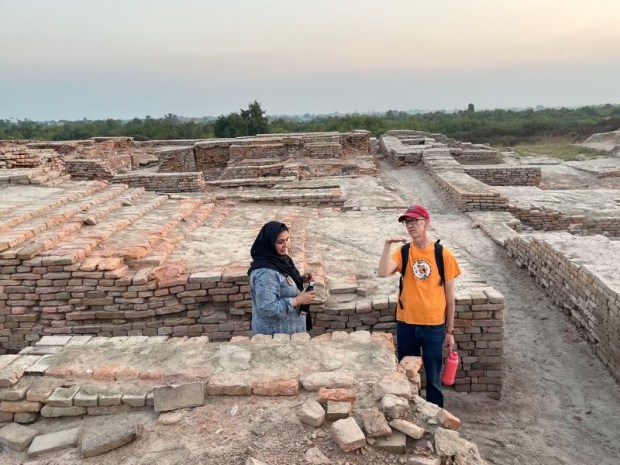
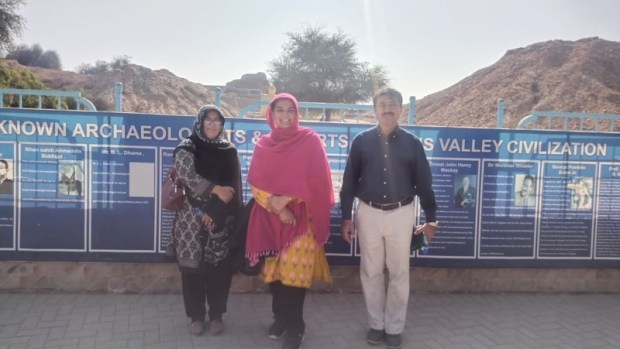
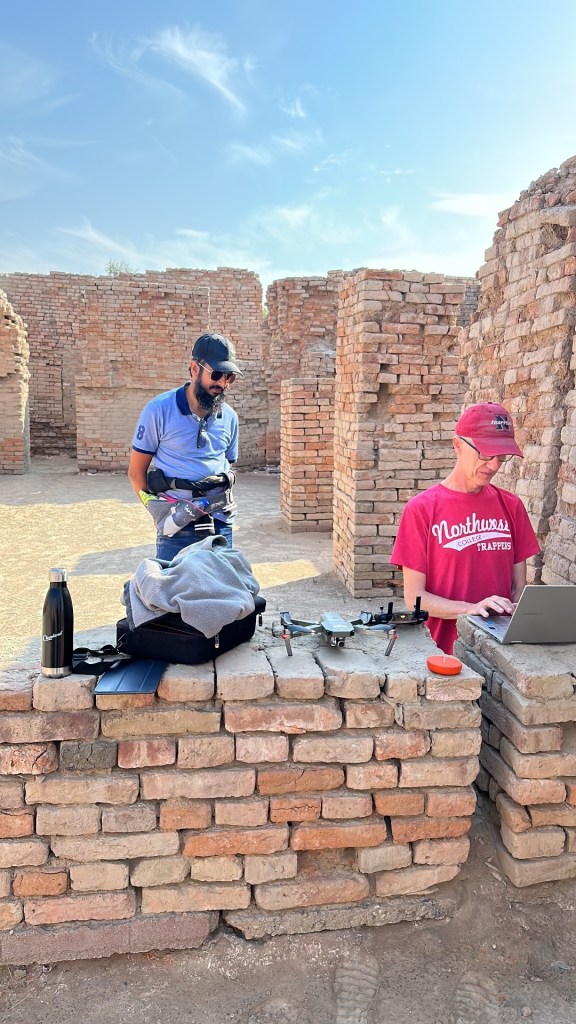
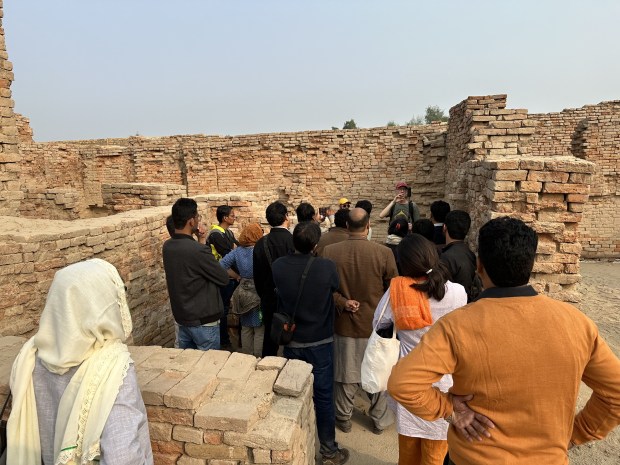
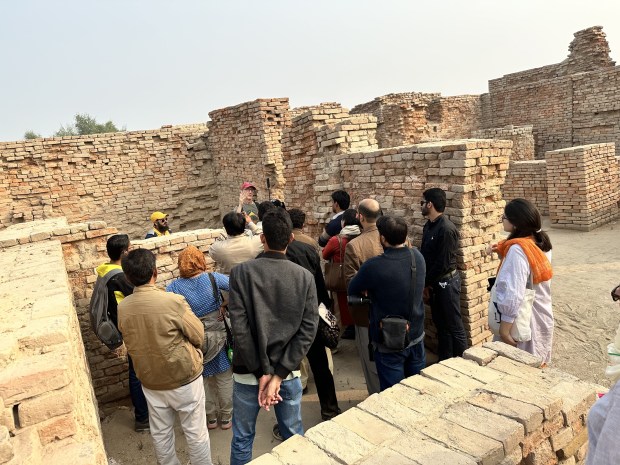
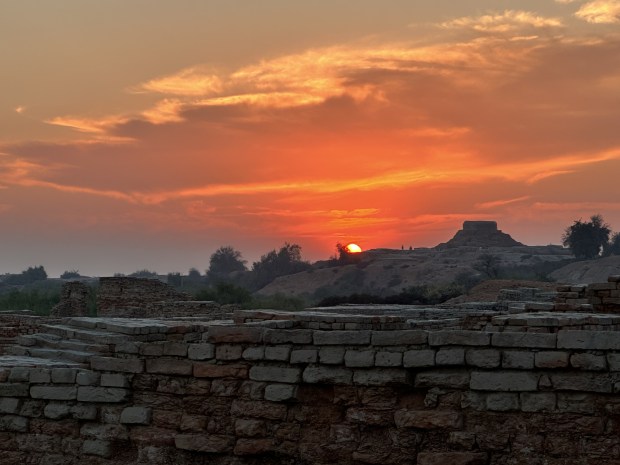
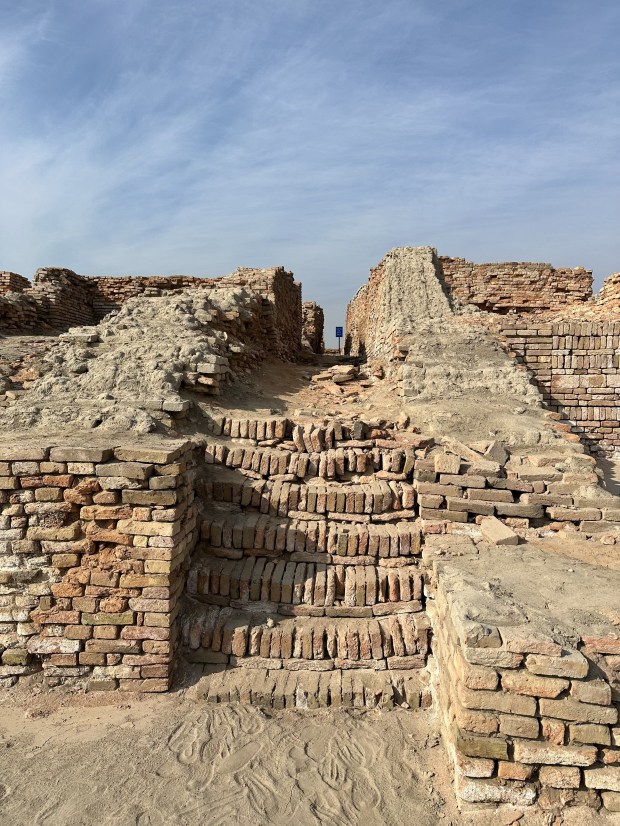
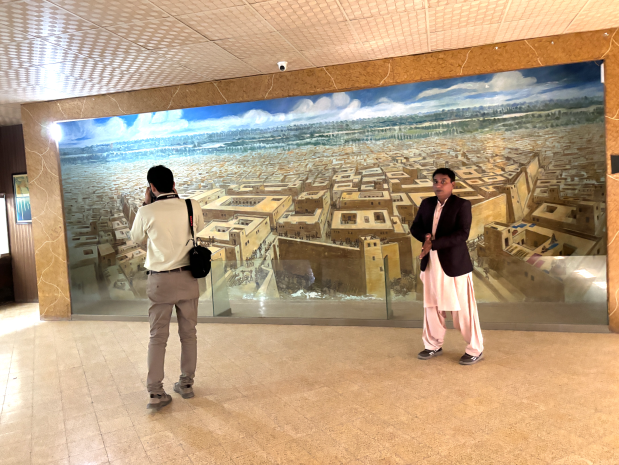
The inaugural project locates itself in the ancient third millennium BCE city of MohenjoDaro, Pakistan. This project brings together existing data, new data, and an innovative approach to the research and analysis of that data.

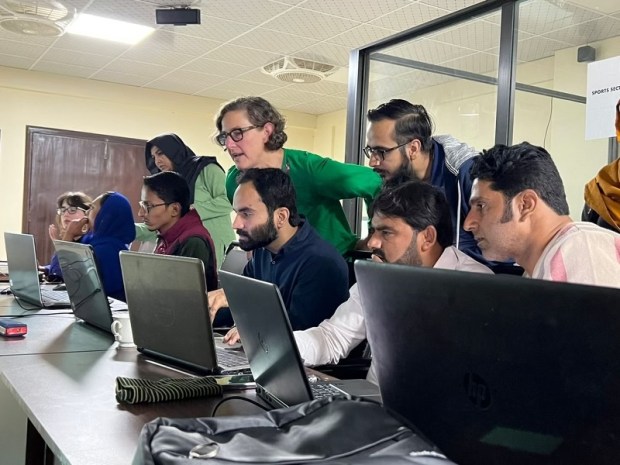
LIAVH’s commitment to the use of free and open-source tools makes further resource sharing possible. The LIAVH GitHub repository contains: a) raw data on artifacts, floor features, and water features; b) scanned and cropped images of artifacts; c) data cleaning and processing codes; and, d) source code for the exploratory tool dashboard.
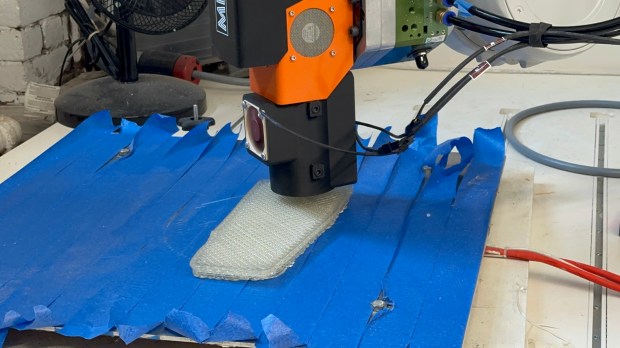
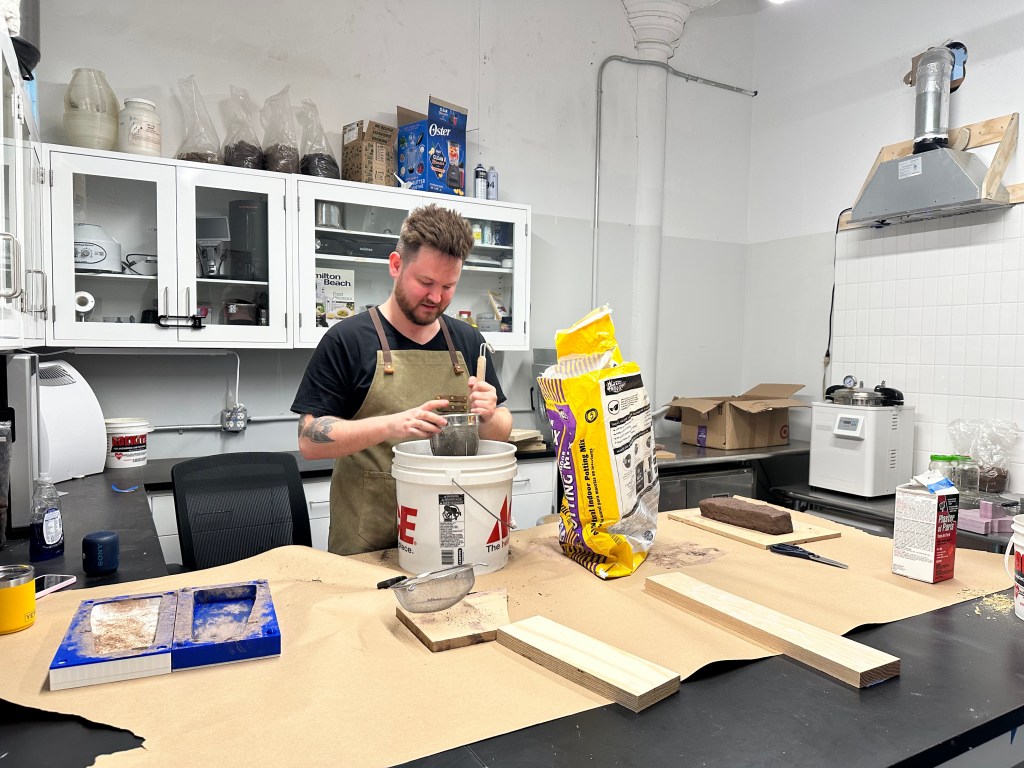
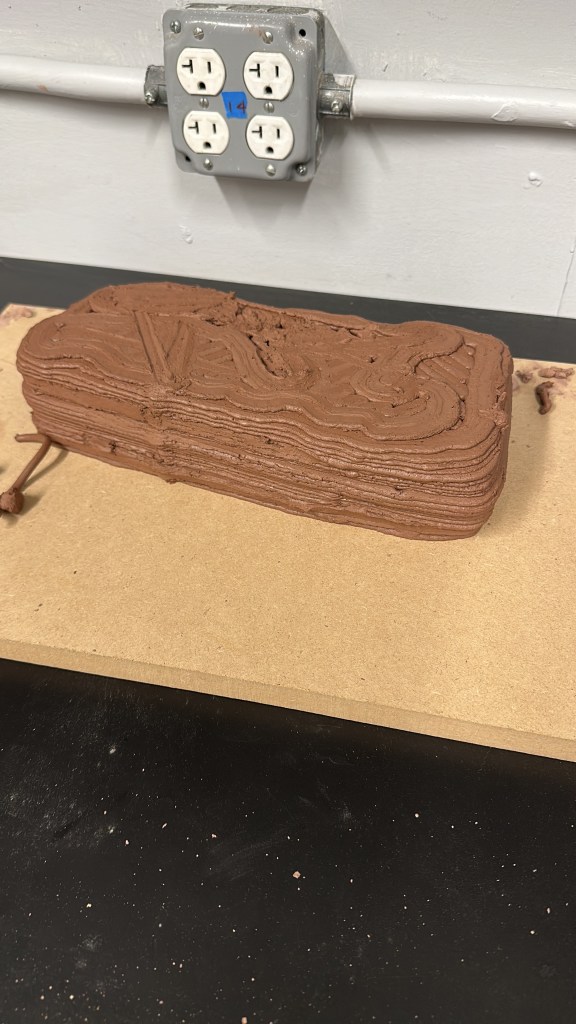
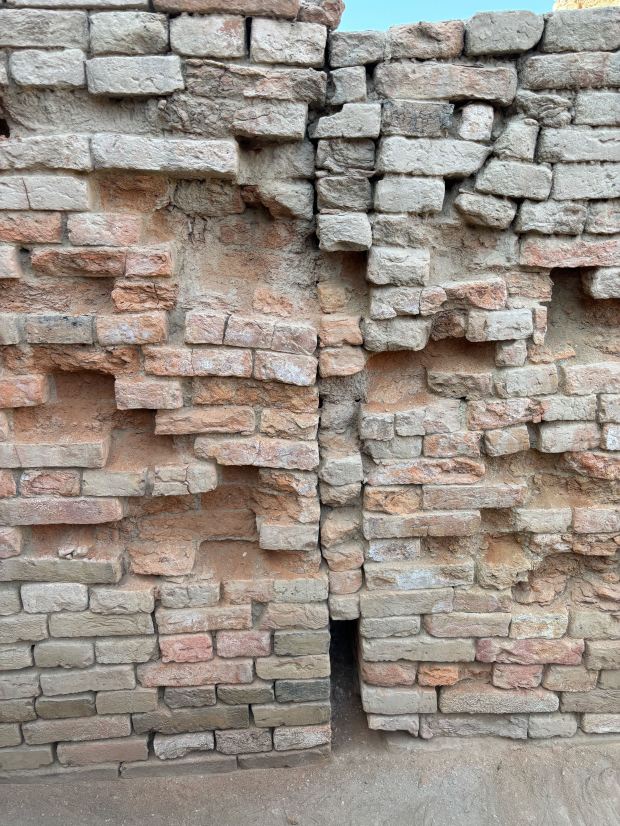
We are studying the material makeup of mudbricks made at MohenjoDaro, as well as using new technology, like 3D printing, to experiment with sustainable building material informed by this ancient technology.
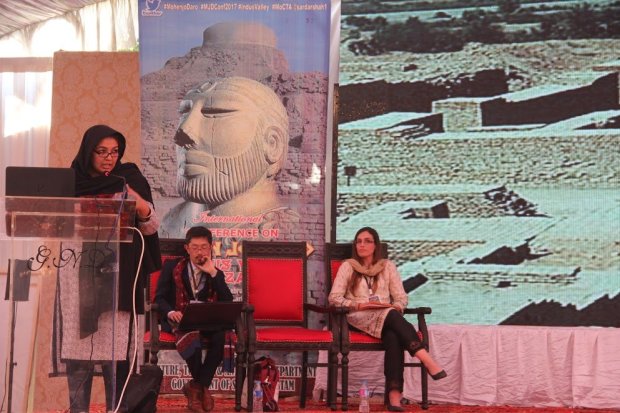
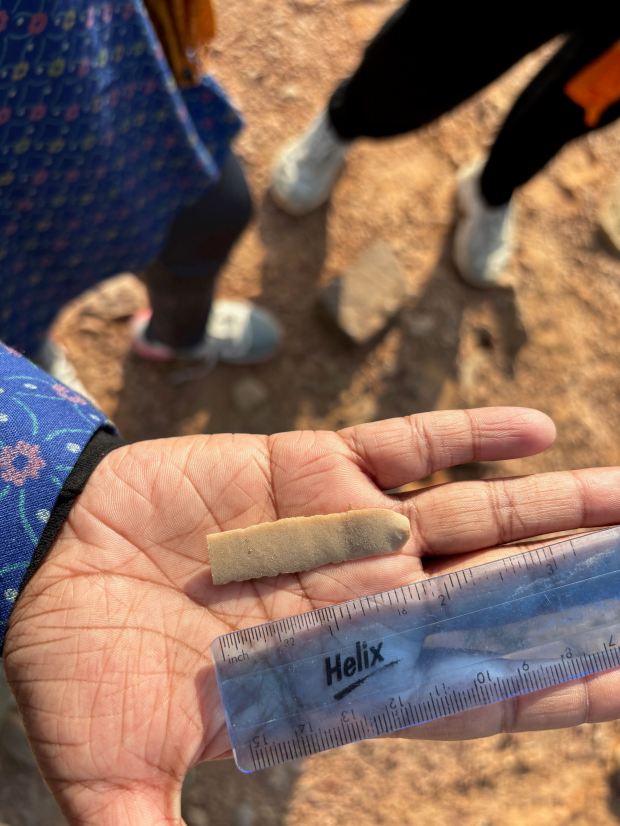
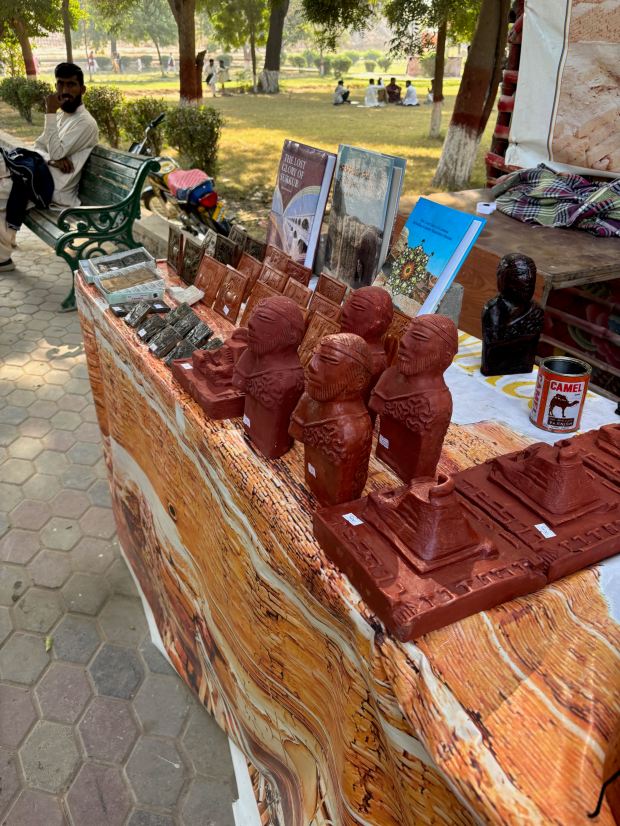
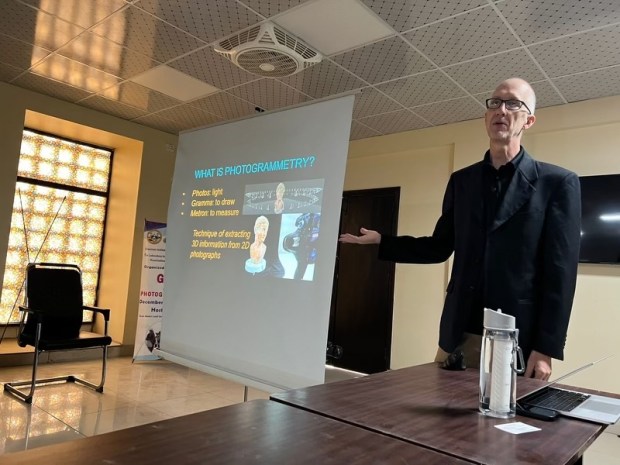
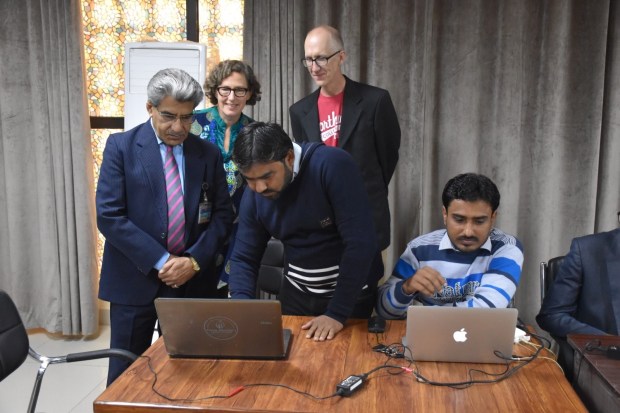
LIAVH shares accessible forms of archaeological data, interpretation, and visualizations at multiple scales and for different audiences. Audiences include students, community members, researchers, and experts of Indus archaeology.


 LIAVH
LIAVH 