By Sophia Trifoli, September 2026
I have spent Wednesdays during the summer of 2026 at Lehman College, hiding away in their Davis Hall’s basement lab, room 037. Surrounded by pieces of ongoing lab tests, my attention is instead focused on a large, dusty, grey-blue storage closet that holds boxes telling the stories of life from 20+ years ago.
Flam was an anthropological archaeologist who worked and conducted research in South Asia. For over 20 years, Flam was a professor in the Anthropology Department at Lehman College in the Bronx. A New Jersey native, he earned his B.F.A. in Fine Arts from Rutgers University in 1967, and then eventually his Ph.D. in Archaeology from the University of Pennsylvania. He also notably worked as the director of the Archaeological and Anthropological Research Center in the Institute of Sindhology at University of Sindh in Pakistan, dedicating a large amount of his life to research in this area. Flam passed away in 2016, and since then almost all of his office materials and research have been kept in the Lehman building in which he taught for decades.
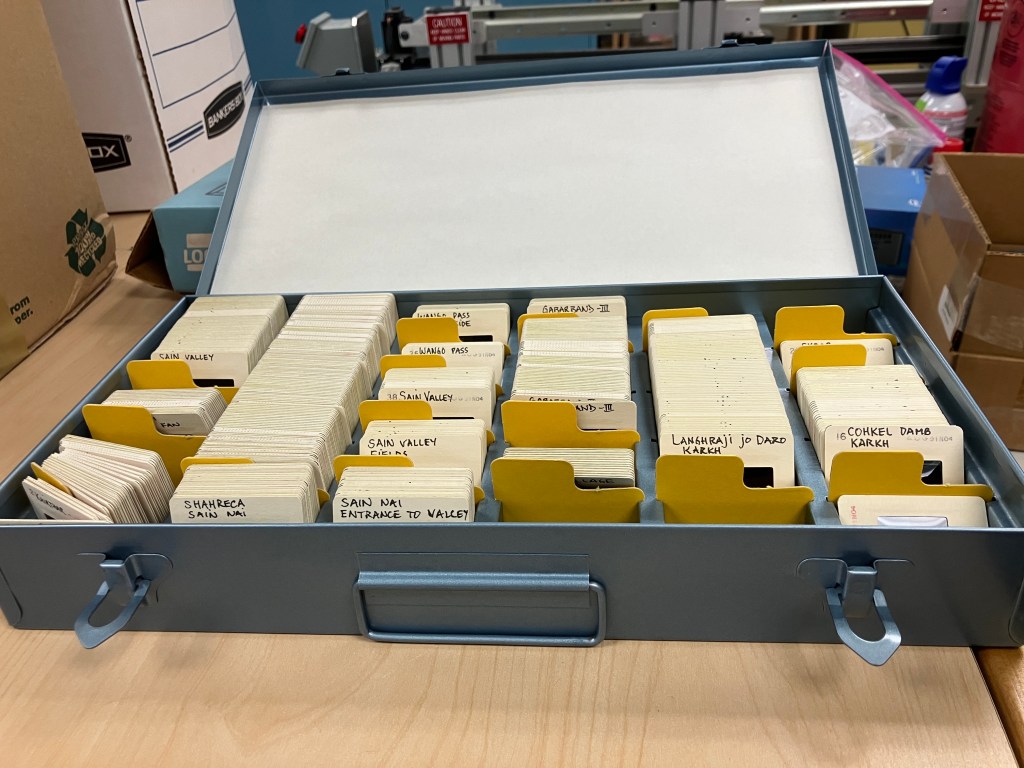
This project has included the task of inventorying, processing, and digitizing the collection of materials kept by the late Flam in Professor Cameron McNeil’s lab space/ The overall quantity of material, along with content type are vast, including over 25 containers of photos, documents, excavation notes, maps, carbon 14 receipts, and film slides (to name a few). Alongside the technical aspects of this work, this project has also reflected the ways in which archival projects can quickly become an intimate endeavor.
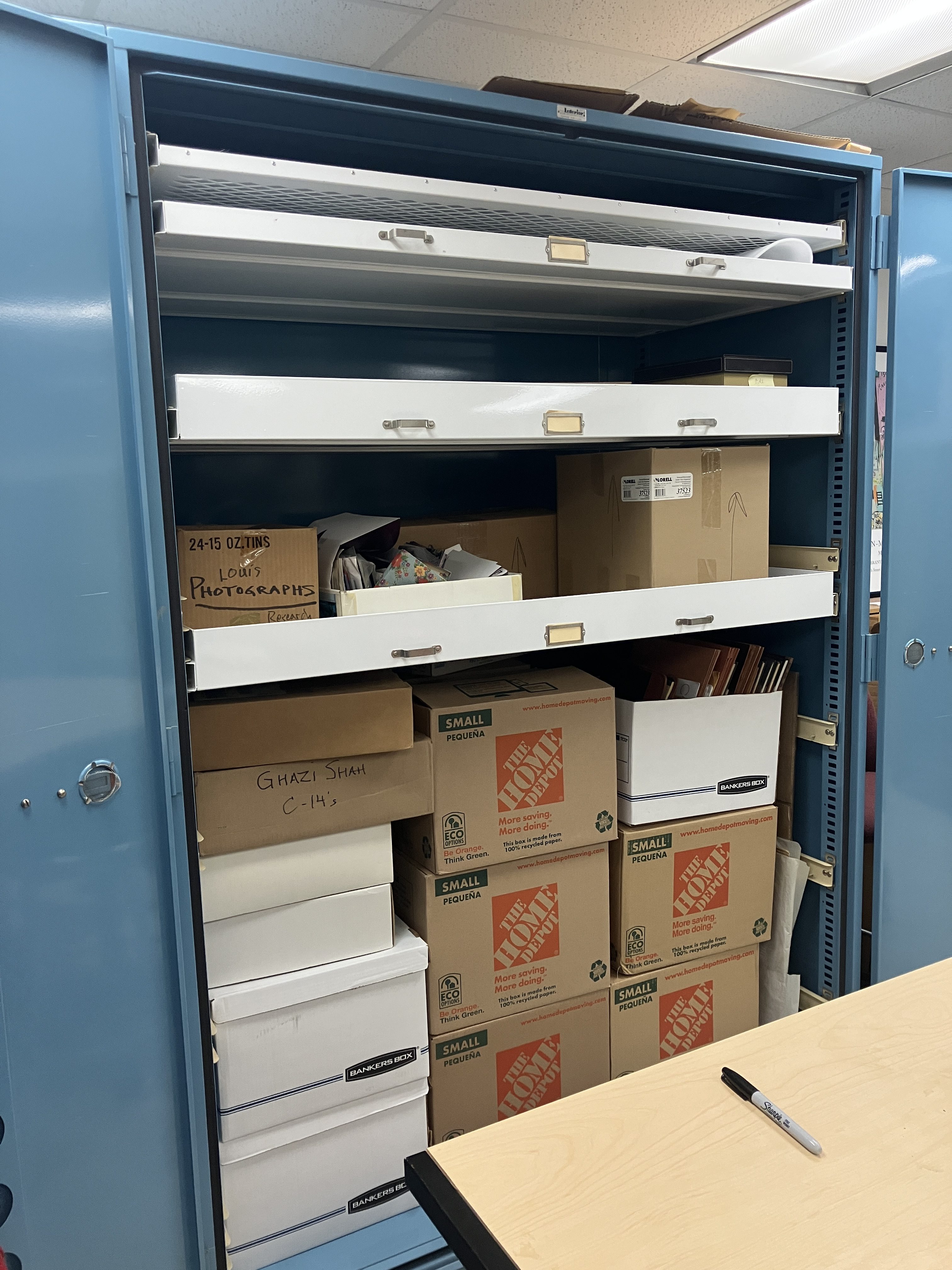
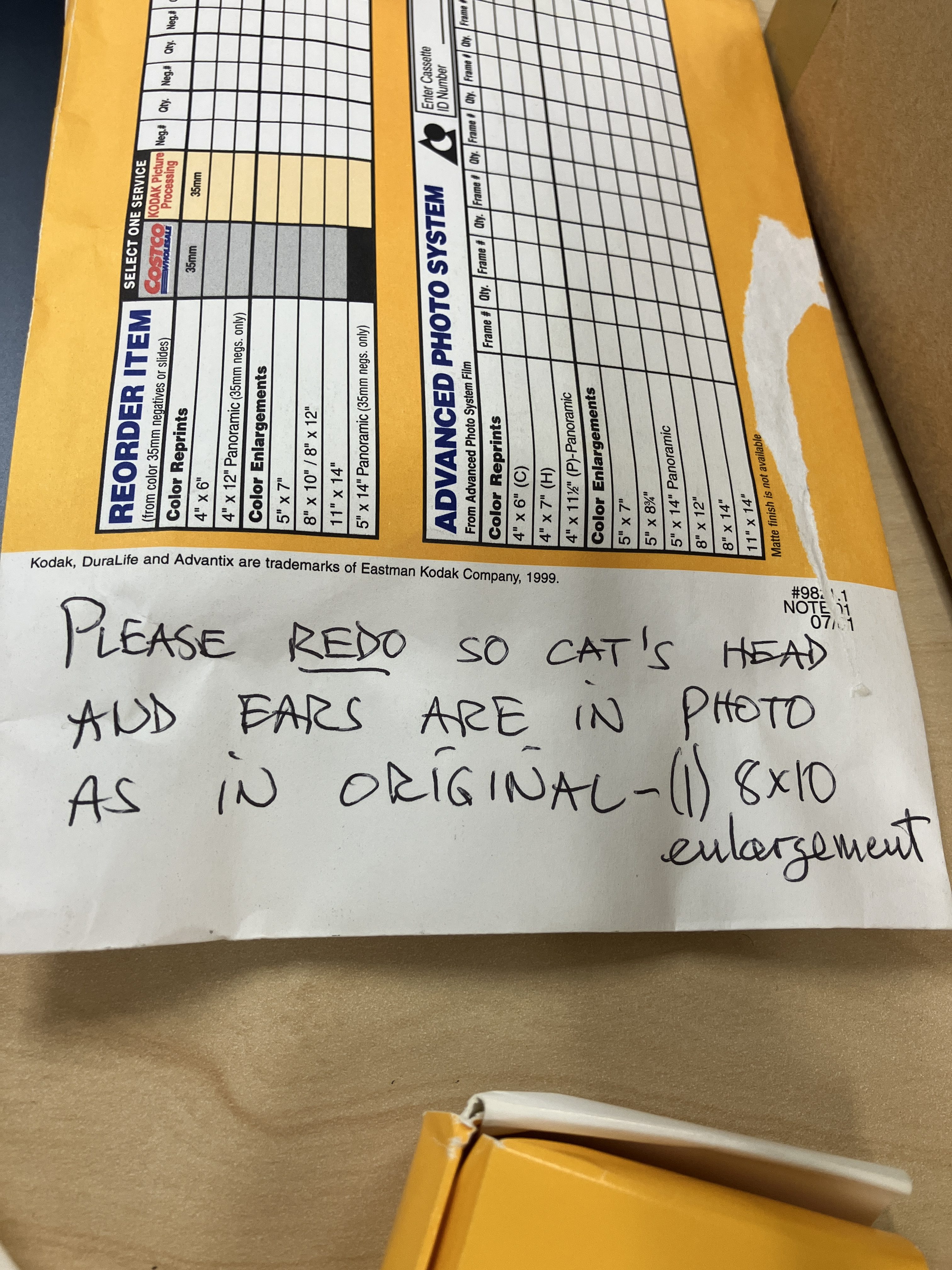
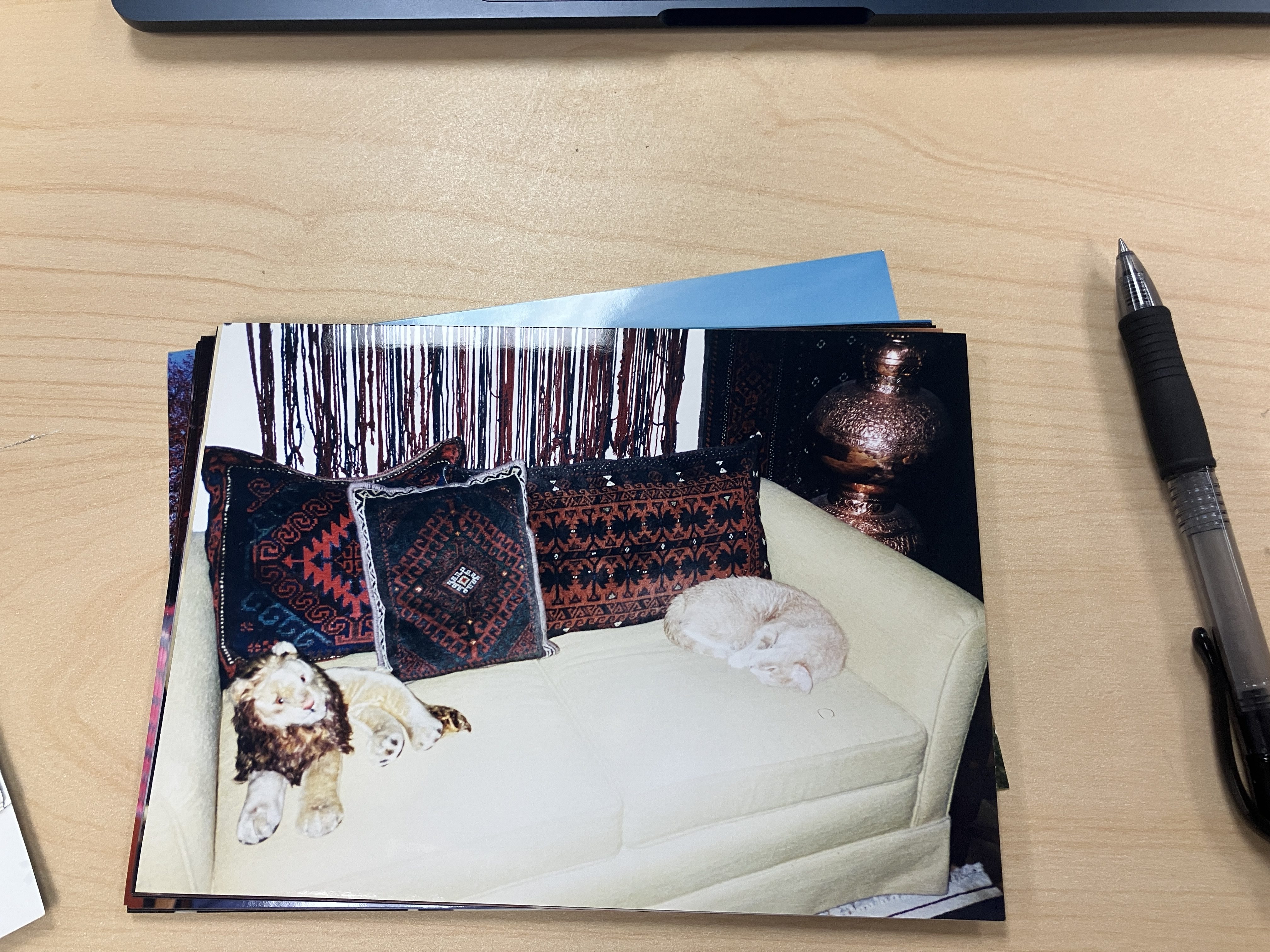
Each box opened thus far has toed the edge of holding materials that are both academically significant and overwhelmingly personal. Fascinating field notes from Ghazi Shah have often been found alongside multiple folders of photos of one of his cats Rafi. Moreover, you’ll often find photos of students conducting excavation projects as part of a Lehman archaeology course were shot on the same roll of film that show complex construction projects that Flam was doing on his own home in New Jersey. Coincidence or not, it has become clear to me that the line between personal life and work/research often became convoluted for Flam— archaeology was his passion.
Not only has this project been a look into what someone may choose to keep in their work office, but it also showed the love and vulnerability that presents itself when people put effort into preserving a collection or the memory of a person that they once cared for. There were several hands in play that helped to initially organize and maintain the importance of the collection before I became involved, including Lehman professor Ryan Raaum and one of Flam’s longtime friends at Lehman, Salah Noueihed. Ideas of care, grief, and loyalty are not fleeting factors in this larger archival project. Rather, they are shaping the way that this collection will commemorate a man who made significant contributions to the study of anthropology and archaeology.
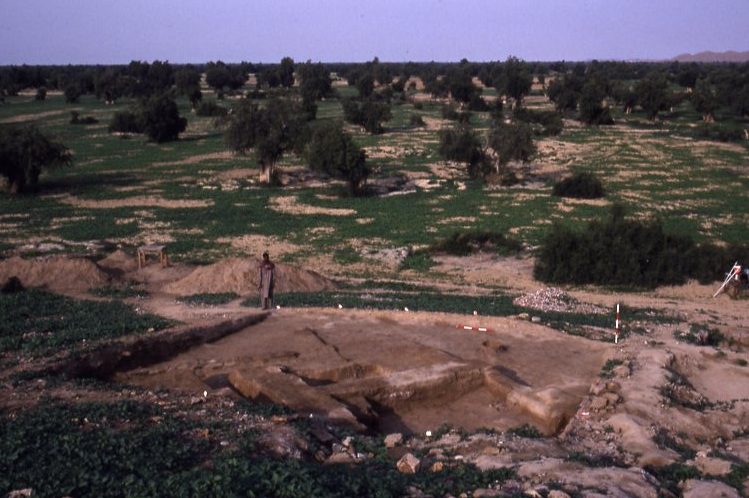
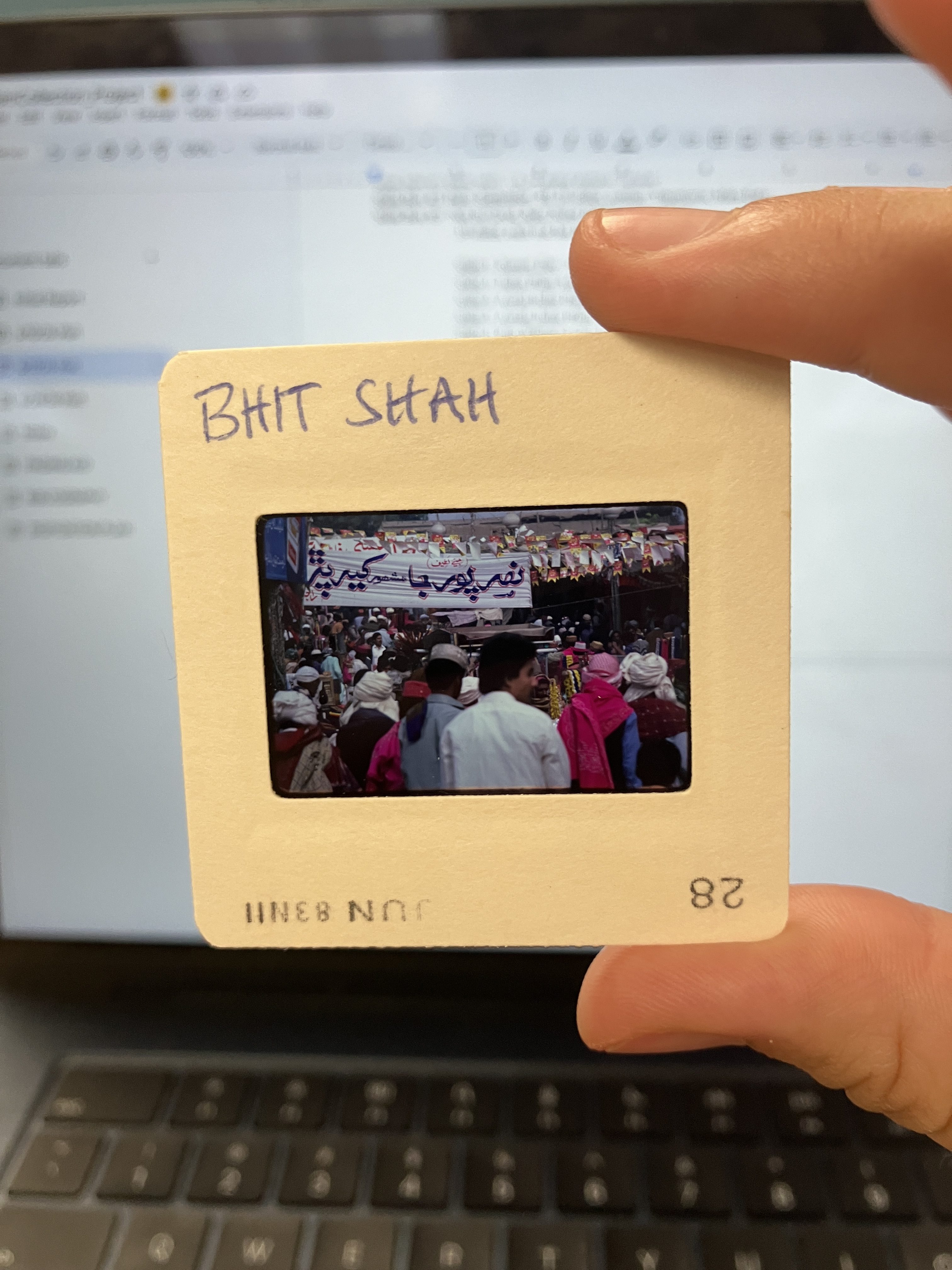
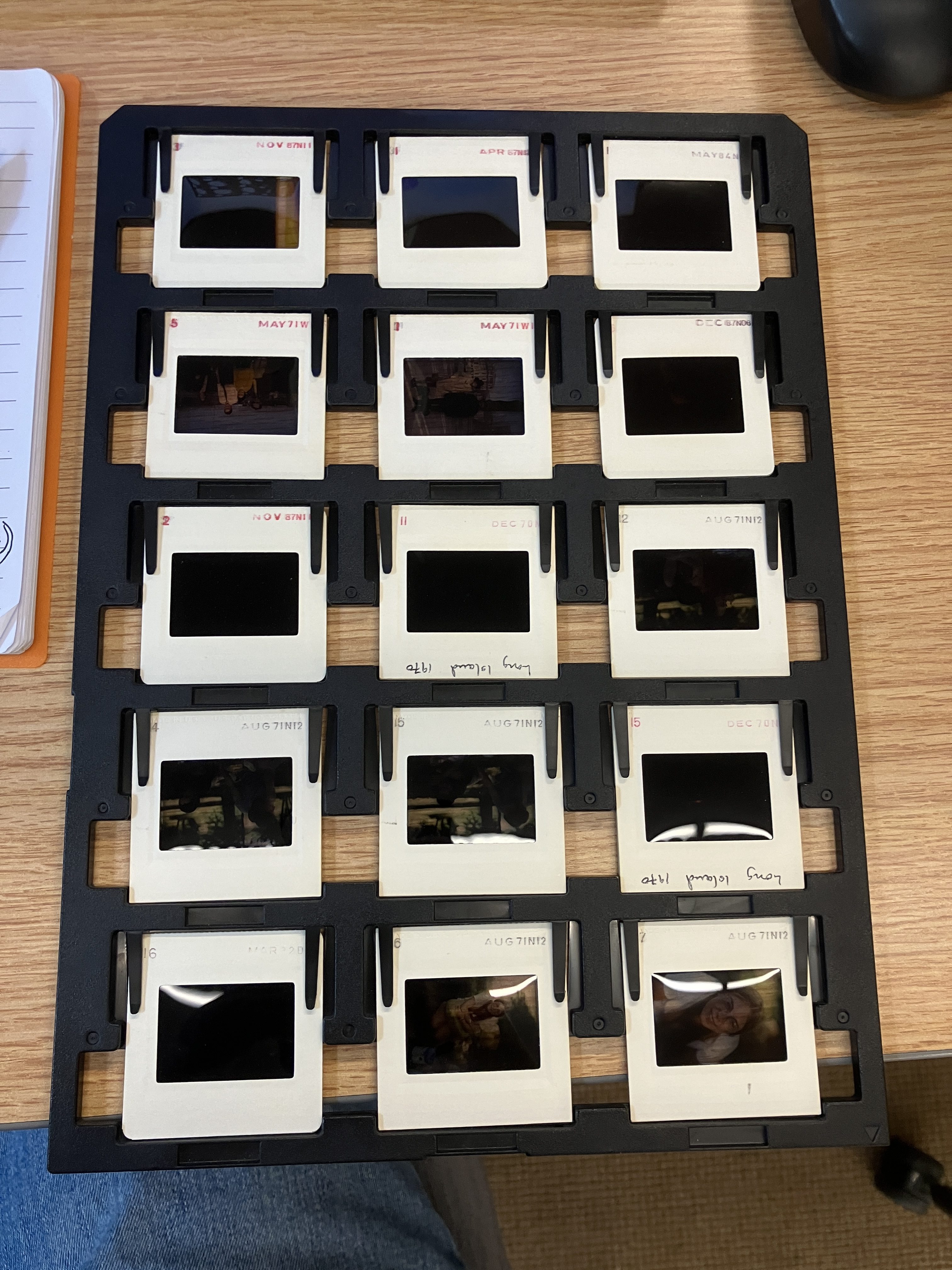
So, what’s next? This project will continue into the year to come. One of my large goals is to finish digitizing all academically significant materials, specifically the large amount of (over 1,000) 35mm film slides that exist. On top of that, there are some oral histories that I think are important to add to this collection. I’m excited to explore the way that storytelling can strengthen the immense amount of personal input that this collection already holds, and the ways in which this collection can be translated into a proficient digital repository.
Another goal with this project is to have an archaeologist join me in my endeavors to contextualize the collection. As an archivist, my first and foremost job is to organize and make the materials accessible in the most proper way possible. But of course, the context of the materials is extremely important for us in knowing who these materials will be useful to. As I continue to digitize, process, and dig deeper in this collection, having an archaeologist join me in the journey towards contextualizing and making the materials as useful as possible is extremely exciting. Lots of work has been done so far, but this is truly just the beginning.
To learn more about Flam, his writings and research, click here: https://www.arslibri.com/collections/FlamLibrary.pdf

