Principal Investigator
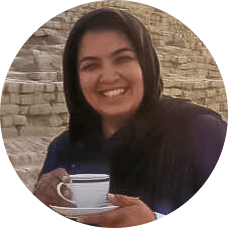
Uzma Z. Rizvi
PhD in Anthropology, University of Pennsylvania
Professor of Anthropology and Urban Studies,
Department of Social Science and Cultural Studies, Pratt Institute
Uzma Z. Rizvi is an anthropological archaeologist. She received a PhD in Anthropology from the University of Pennsylvania, followed by a postdoctoral fellowship at Stanford University. She specializes in the archaeology of the first cities, while teaching anthropology, ancient urbanism, new materialisms, critical heritage studies, decolonization/the postcolonial critique, and social practice. Rizvi’s own work intentionally interweaves archaeology with cultural criticism, philosophy, critical theory, art, and design. With nearly two decades of work on decolonizing methodologies, intersectional and feminist strategies, and transdisciplinary approaches, her work has intentionally pushed disciplinary limits, and demanded ethical decolonial praxis at all levels of engagement, from teaching to research.
Directors

Sara Eichner
Cartographer and Data Visualizer, Pratt Institute
Director of Geospatial Visualization
Sara Eichner is a designer and cartographer, working at the intersection of data analysis and design. Her work utilizes creative visualization strategies to clarify complexities behind the data. She collaborates with a variety of organizations to contribute geospatial analysis and research to projects while designing platforms, tools and systems through which to communicate that work. Sara is a co-founder of Studio 2263, a data analytics and design firm that partners with organizations to address urban and environmental issues around the Hudson Estuary and New York City. Sara has a masters in fine arts from Syracuse University and a certificate in GIS from Pratt institute. She has taught Spatial Thinking, GIS and Design at Pratt Institute’s School of Information as well as User Centered Design for GIS in the Pratt School of Continuing and Professional Studies.
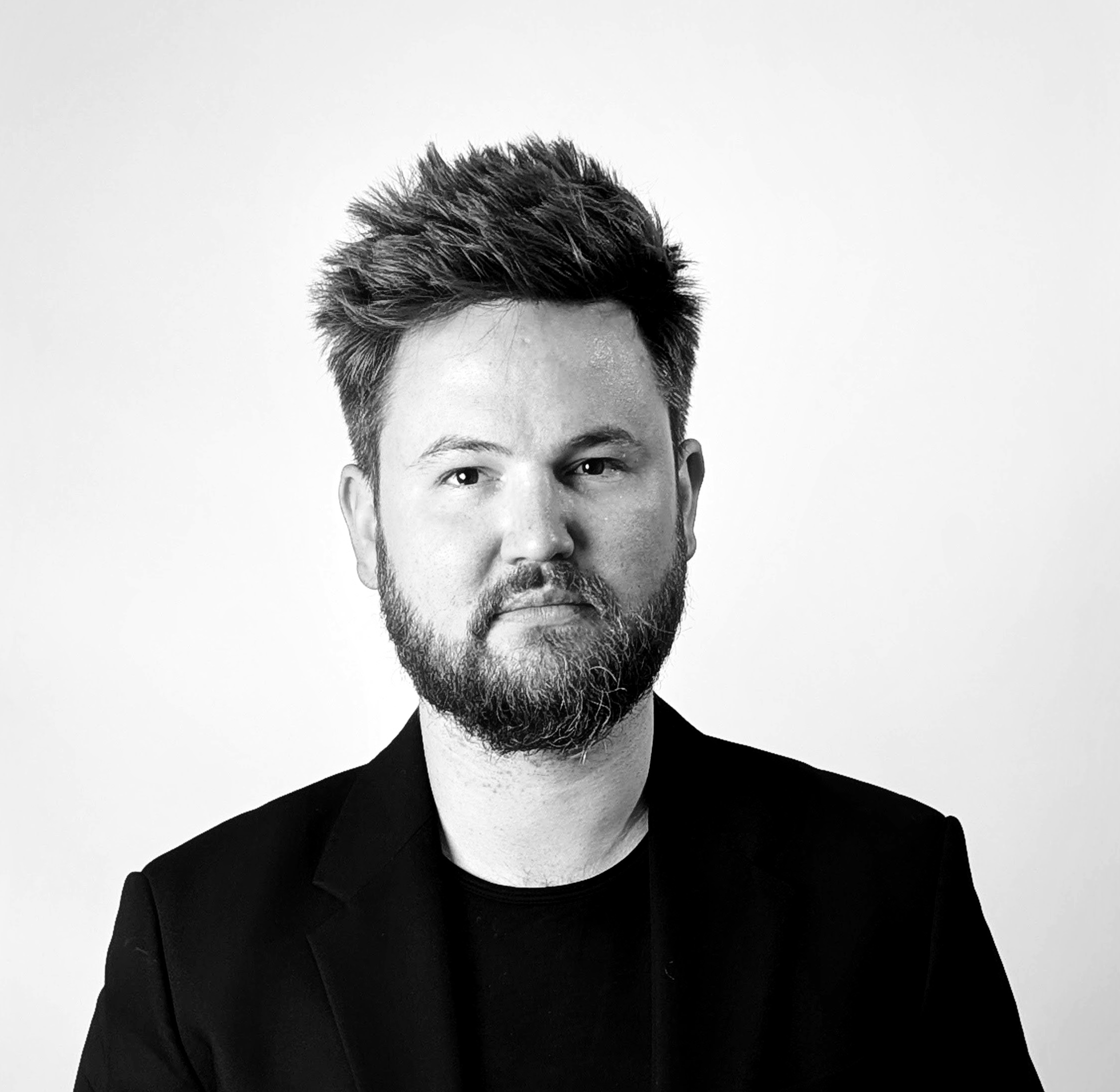
Greg Sheward
M.Arch, Pratt Institute
Director of Digital Fabrication and Robotics
Greg Sheward is a researcher, fabricator, and educator specializing in digital fabrication, robotic fabrication, and emerging technologies in architecture. He earned his Bachelor of Science in Architecture from Ball State University (2015) and his Master of Architecture from Pratt Institute (2018).
Since 2018, Greg has been integral to the School of Architecture at Pratt Institute, where he currently serves as Production Facilities Manager, Robotic Operations Manager, and Visiting Assistant Professor. His leadership has shaped the school’s digital fabrication ecosystem through the expansion and integration of CNC, laser, and robotic systems, alongside key updates to analog technologies. He has overseen multiple phases of the Robotics Lab’s development—introducing custom robotic 3D printing workflows, robotic milling processes, and collaborative research initiatives that have advanced the school’s production technologies.
In the classroom, Greg teaches across both undergraduate core design studios and advanced design studios. His teaching spans foundational aspects of model making in the core curriculum to robotics, computation, and fabrication as central components of architectural inquiry in advanced studios. His co-led courses, such as Augmented Fabrications and Digital Dovetailing, emphasize experimental methods of making and the translation of digital design into material form.
Greg’s research and academic collaborations frequently explore the role of robotics in architectural design and fabrication. Projects include the expansion of ABB robotic arms, robotic FDM and clay printing workflows, the integration of robotically controlled tools, and cross-disciplinary exhibitions such as Tools That Don’t Exist Yet (2024). He has contributed to work featured in the Pratt Works Exhibition and the Pratt Research Open House, and his collaboration with the OP.al team received a Best Project Award at ACADIA (2022).
Through his teaching, research, and technical leadership, Greg fosters a collaborative culture of innovation and inquiry at Pratt, advancing both the school’s facilities and its broader academic mission to explore the future of design, technology, and fabrication.
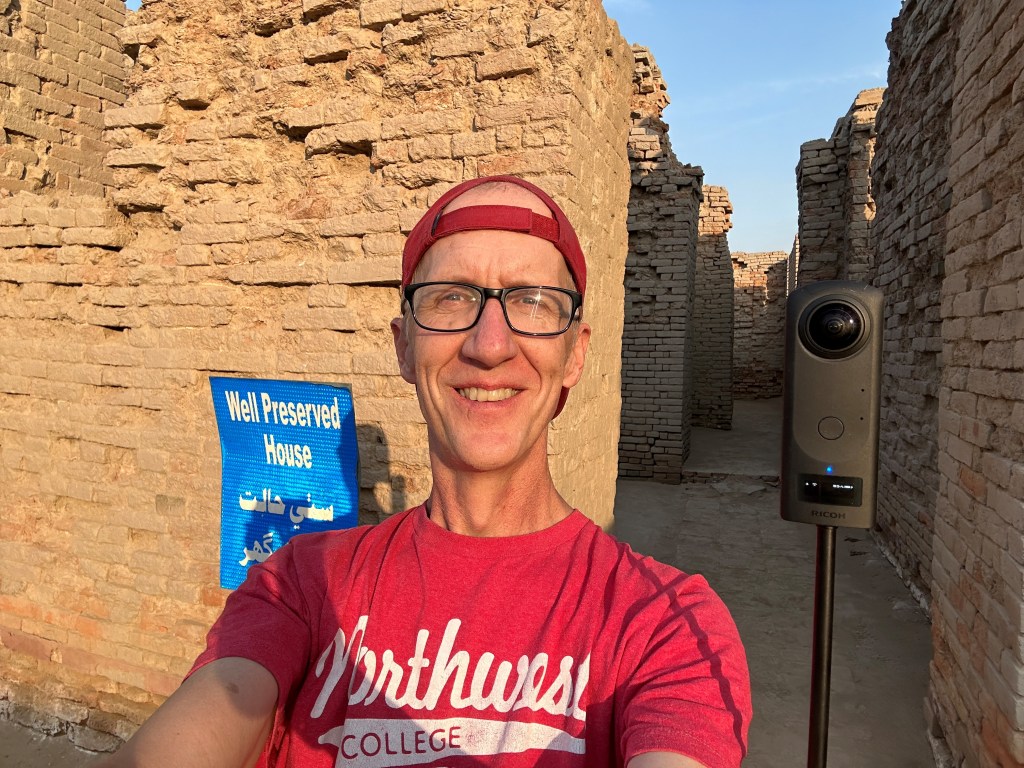
Greg Smith
PhD in Anthropology, University of Pittsburgh
Professor of Anthropology at Northwest College, Powell, Wyoming
Director of Mapping, Digital Cartography and Survey
Greg Smith has dedicated most of his professional career to teaching undergraduate community college students while conducting archaeological research all over the world. He teaches courses in his specialization of archaeology but also in the related fields of cultural anthropology, biological anthropology, and geography. His proudest accomplishment while at Northwest College has been being able to take students out of the classroom and off to archaeologically-themed destinations including Peru, Greece, Mexico, Guatemala, British Isles, American Southwest, Egypt, and most recently Cambodia. While doing research, his methodological area of expertise is mapping and he has had the honor of being able to work at archaeological sites in Mexico, Ecuador, Mongolia, United States, and Pakistan. Over the last several decades, Greg has maintained a broad interest in understanding how ancient societies were organized and how they changed over time.
Graduate Assistants
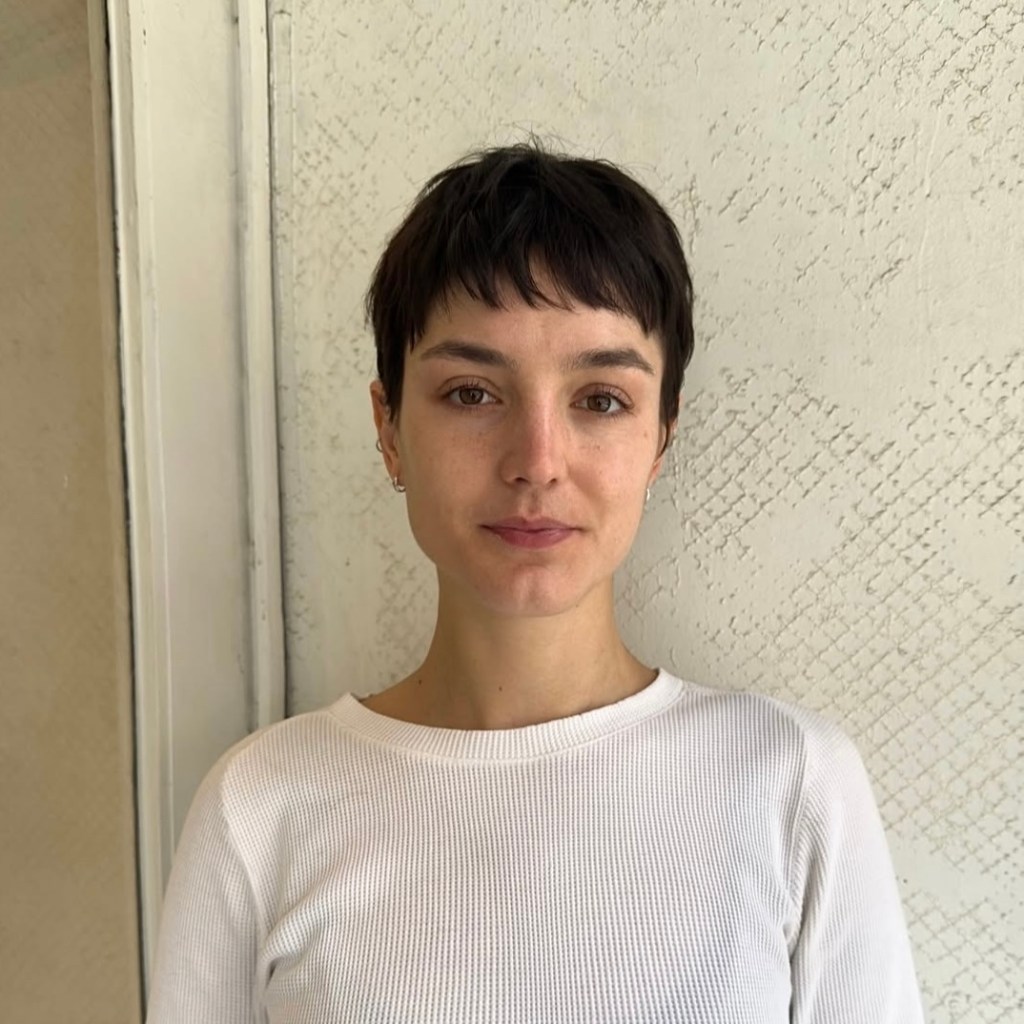
Julia Sachs
M.F.A. Communications Design Candidate, Pratt Institute
Graduate Assistant: Graphics, Info, and Exhibition Design
Julia Sachs is an artist and designer currently residing in Brooklyn, New York. She has a background in digital advertising, social media strategy, and branded campaign design for institutions of higher education. Her current work at Pratt explores interdisciplinary design that moves between digital, exhibition, data visualization, and archival practice. In addition to graphic, Julia’s design practice is largely tactile, investigating materiality and sustainability to communicate narratives embedded in both matter and site. She cares deeply about data accessibility and the pursuit of open-source knowledge with a particular interest in projects that use technology to build tools for community-centered initiatives in academic fields. Her work for LIAVH spans web, visual identity, and exhibition curation and experience design.
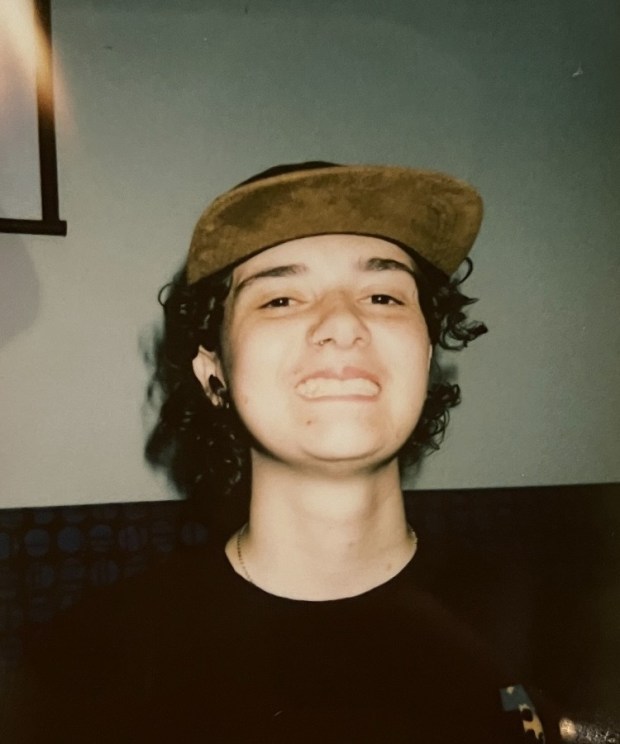
Sophia Trifoli
M.S. Library and Information Sciences Candidate, Pratt Institute
Graduate Assistant: Archives
Sophia Trifoli is an archivist, journalist and researcher with interests in archival theory, art history, and data accessibility. In LIAVH, Sophia works with digital archives, data management systems and data visualization models to communicate archival museum accession cards from the World Heritage Site. Her past experiences include research on special collection methodologies, specifically relating to advocacy surrounding academic and institutional housing of student activism materials and journalism. Justice in regards to content and knowledge ownership strongly drive her passion in the field. Sophia has also worked in archival management and cataloging at the American Folk Art Museum and Paul W. Zuccaire Gallery at Stony Brook University, along with holding archivist assistant roles for living and deceased artists. She is currently based in Queens, New York and works as a public librarian trainee alongside her other endeavors.
LIAVH Researchers

Pallavee Gokhale
PhD in Humanities and Social Sciences, Indian Institute of Science Education and Research (IISER)
Pallavee’s research involves interdisciplinary approaches ranging from archaeological theories to GIS and DS for possible alternate interpretations of archaeological material, especially Harappan/ Indus culture artifacts. Her work on Historic aqueducts in Pune, India has appeared on multiple scientific and public platforms. She is a founding member of the Indian Chapter of CAA International (Computer Applications and Quantitative Methods in Archaeology) and geospatial data consultant to archaeological projects in India.
With diverse backgrounds in geospatial data, software quality engineering, Indology, and archaeology, her interest lies in the critical use of these disciplines to build contextual and data-driven narratives of archaeological data. With PhD in Humanities and Social Sciences from IISER, Pune, India, she holds postgraduate degrees in GIS-RS from the University of Greenwich, UK, Indology from Tilak Maharashtra Vidyapeeth (TMV), Pune, and Ancient Indian History, Culture and Archaeology from Deccan College, Pune. She has contributed to books, conference proceedings, and commemorative volumes. Her individual and collaborative research has appeared in multiple journals including South Asian Studies, American Journal of Numismatics, Ancient Asia, Heritage, Critical Collective, Blue Papers, and BAR International Series publication. She has been a resource person at IISER Pune, Instucen Trust Mumbai, CEPT (Ahmedabad), DCPGRI (Pune), UCC (Meghalaya), Pratt Institute (NY) and ASI.
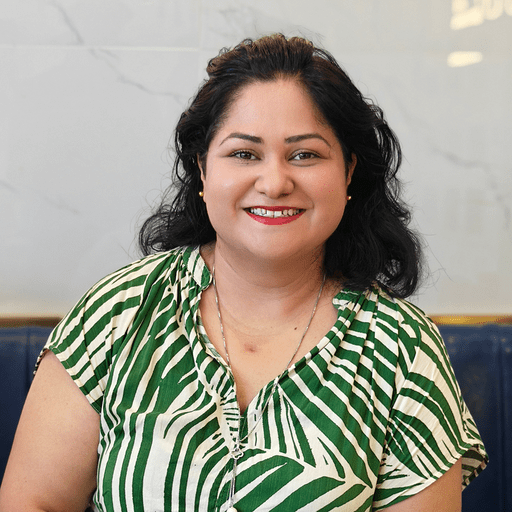
Komal Niazi
Cultural anthropologist exploring connectivity, justice, and heritage futures in South Asia through political, environmental, and developmental lenses.
Komal Niazi is a cultural anthropologist and postdoctoral fellow at East China Normal University, where she received Shanghai’s prestigious Super Postdoctoral Fellowship. She earned her PhD with honors from Sun Yat-sen University and works at the intersections of political, environmental, and developmental anthropology, focusing on China-Pakistan relations and South Asia’s place in global connectivity. Her research examines the China-Pakistan Economic Corridor (CPEC) and the Belt and Road Initiative (BRI), analyzing how large-scale infrastructure projects reshape environmental justice, cultural memory, food systems, and local identities. By integrating ethnographic methods with critical heritage, climate change, and development studies, she highlights how community resilience and cultural heritage—local voices from local community- intersect with contemporary development outcomes. Renowned for her decolonial and critical perspective on Asian connectivity, she foregrounds the voices of communities living in the shadow of megaprojects, positioning them as active agents in shaping more just and sustainable futures.

Jacob Welch
Ph.D., Yale University
Researcher
Jacob Welch is a visiting lecturer at Seton Hall University and a Library and Information Science student at Pratt Institute. His research explores the archaeology and anthropology of Latin America, with a focus on ancient Mesoamerican art, architecture, gender roles, and urban life. He aims to challenge traditional assumptions about the past and bring attention to often-overlooked groups in Maya society, offering a more inclusive perspective on Mesoamerican history. Currently, he is working with colleagues in Mexico and Guatemala to create educational and archival resources that make research more accessible to a wider audience.
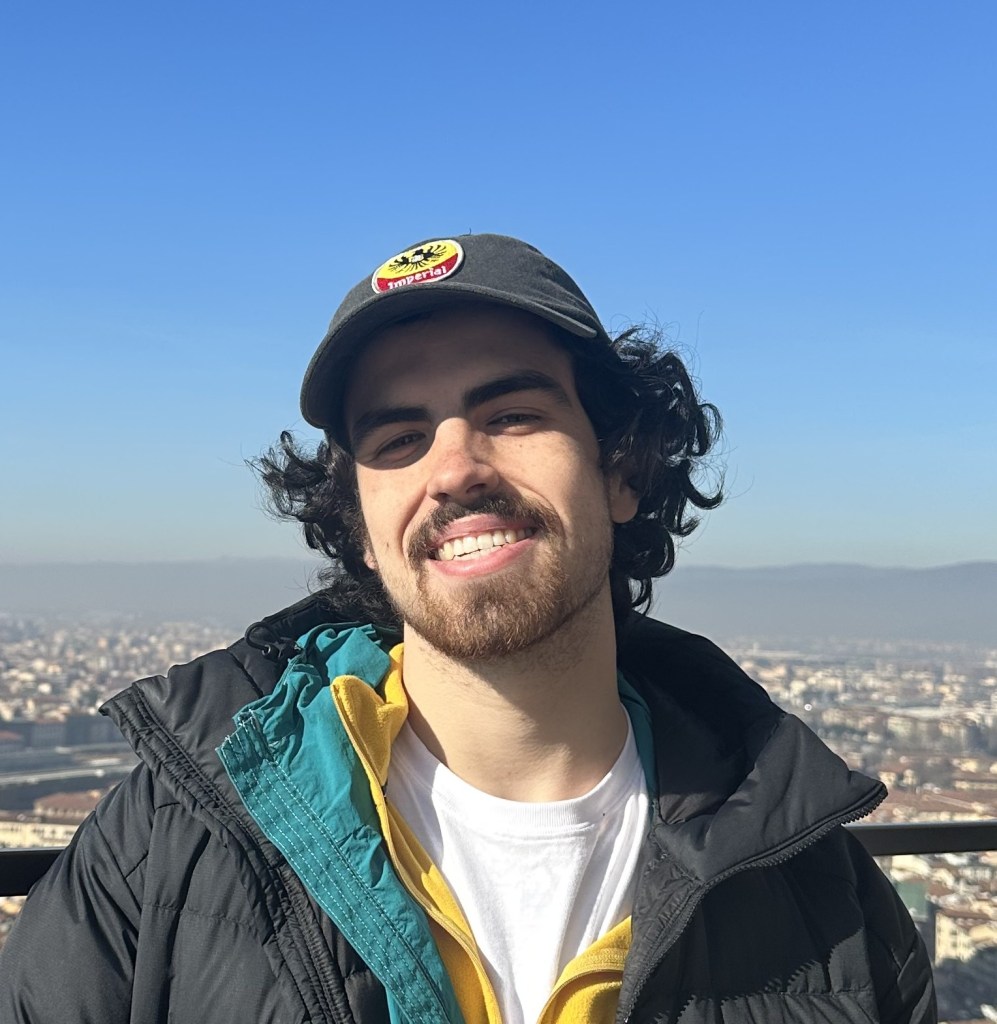
Jack Young
B.Arch, Pratt Institute
Geospatial Data Visualization Specialist
Jack Young is a multidisciplinary designer and researcher based in Brooklyn, NY. Within LIAVH, he specializes as a digital, spatial analyst focusing mainly on 3D data visualization and video media. He graduated with a Bachelors of Architecture at Pratt Institute in 2025, where he conducted thesis research on the civic revitalization of the United States Postal Service and its associated mailing logistics system, examined through a regional lens. In addition to his thesis work, Jack is actively involved in advanced research projects with academic collaborators. He worked alongside Professor Jason Vigneri Beane on various AI and fabrication projects. He was part of a design team developing a prototype housing solution for the indigenous Alaskan community of Quinhagak. Beyond his academic pursuits, Jack holds various roles within the architectural and design literary communities; serving as an editor for the 25’ Off Zine and supporting several Axiomatic Editions book publications. He is also the lead designer of Atelier 58l0, a collective of creatives based in New York, Boston, and Tokyo with a mission to expand the culture of architecture to the public. Professionally, Jack is a Junior Designer at Billings Jackson Studio, specializing in the architectural and industrial design of public and private transportation infrastructure projects.With a focus on combining architectural design, technological innovation, and social impact, Jack continues to pursue projects that bridge the gap between traditional practice and emerging research fields.
Former Research Contributors
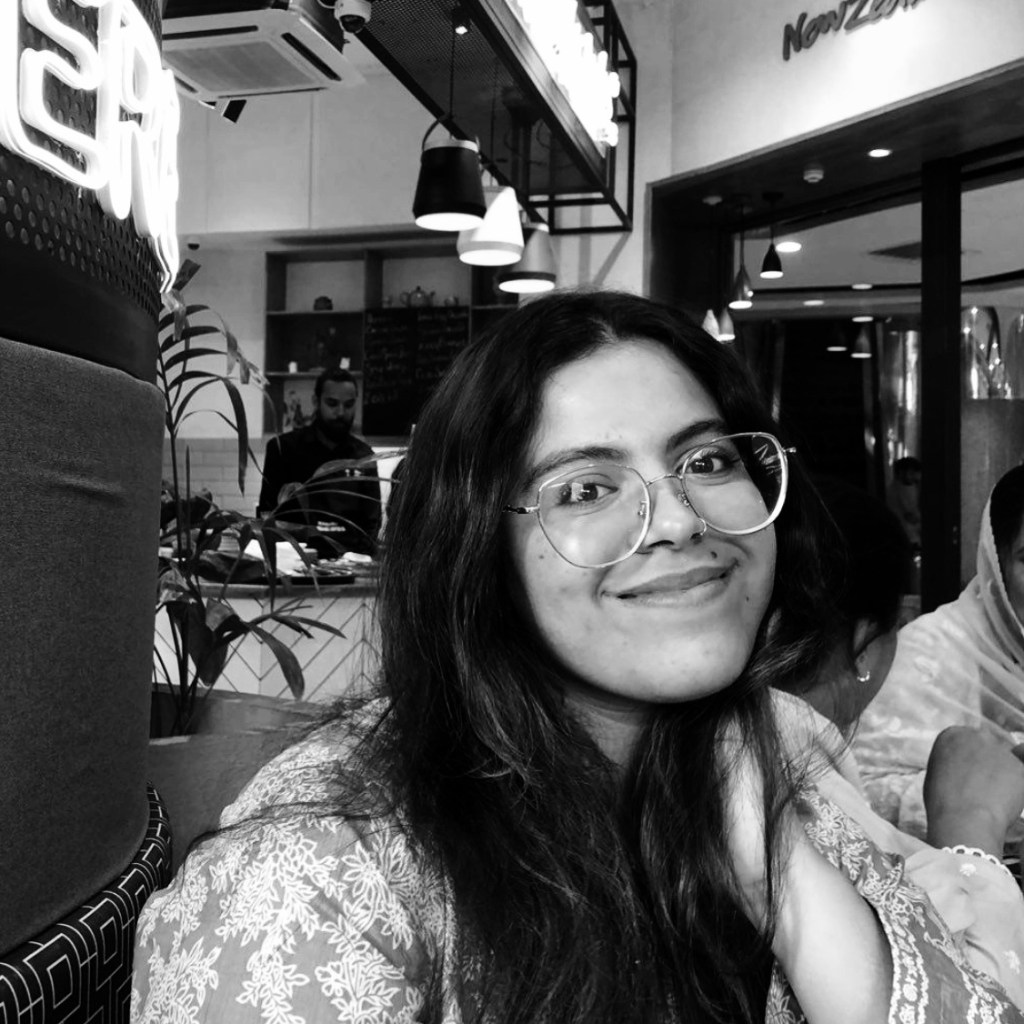
Zoha Masood, Graduate Researcher

Manni Zhou, Graduate Researcher
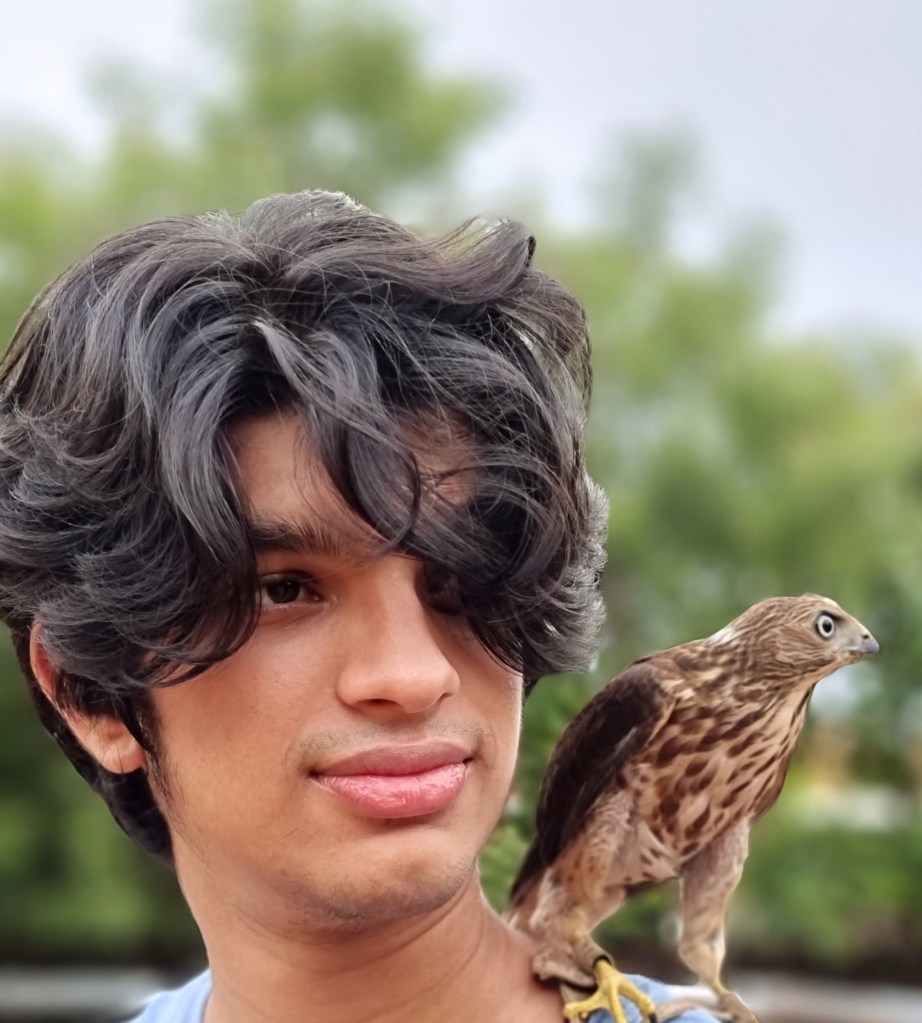
Pragnan Bachala, Undergraduate Assistant

Isil Akgul, Architect and Urban Planner
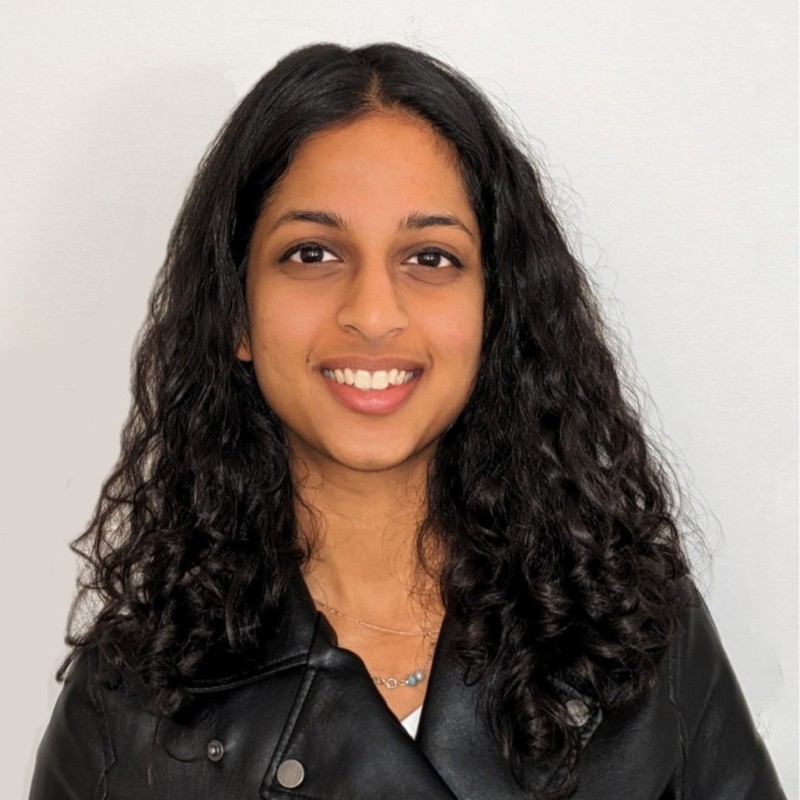
Aashna Bajaj, Architect and Geospatial Visualization
Sarah Burry, Archives and Data Visualization

Rachel Daniel, Geospatial Visualization
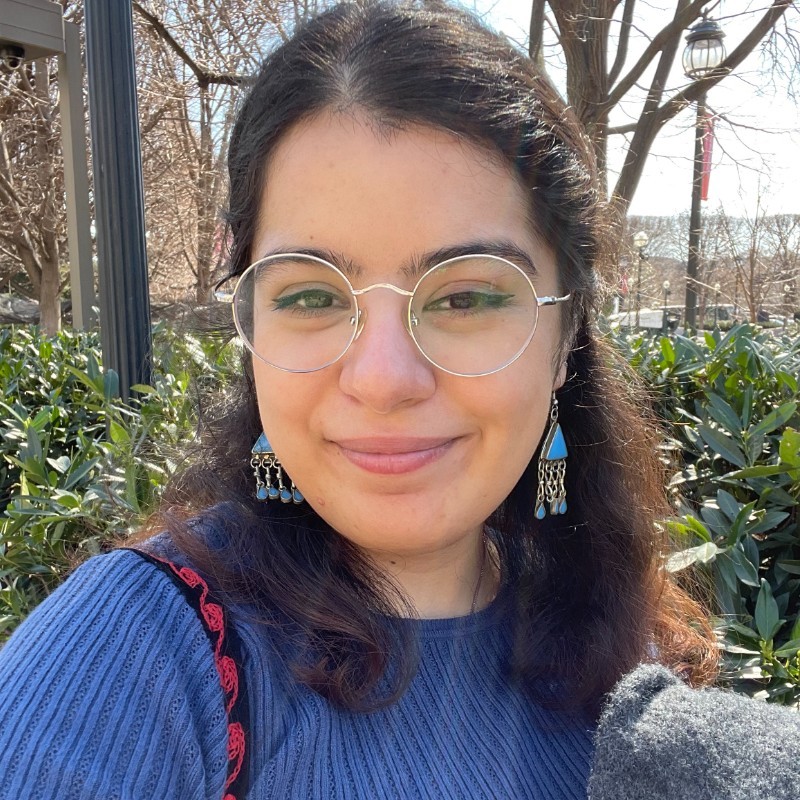
Mahnoor Fatima, Heritage and Community Engagement Researcher
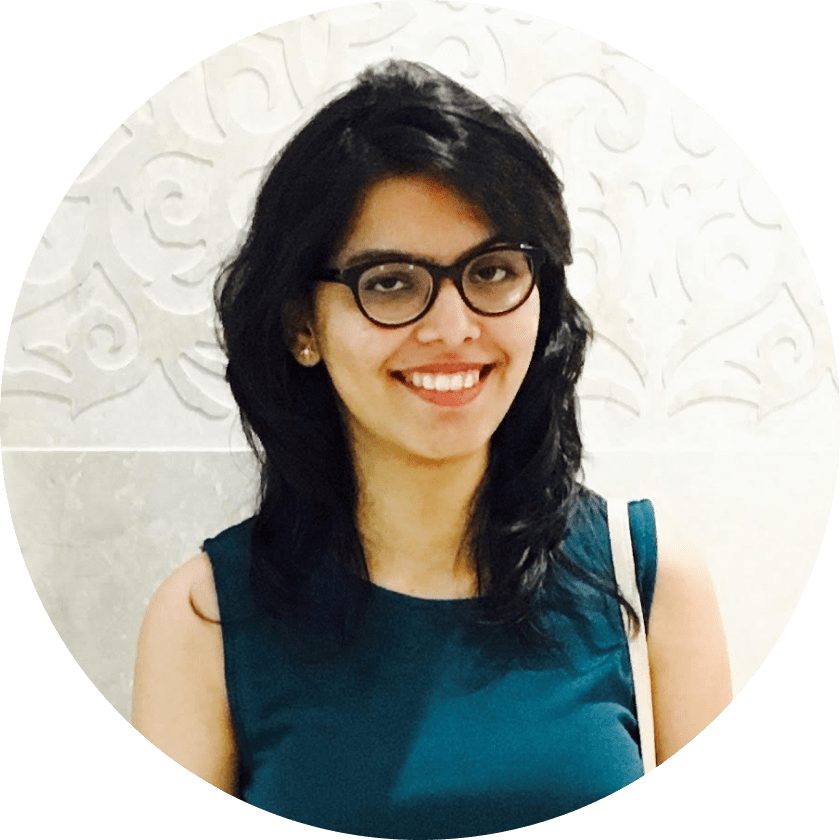
Priyashi Bhupendra Galiawala, Architect and Interior Designer

Robbie Gomez, Architect and Urban Planner
Itzamna Huerta, Research Data and Spatial Analyst

Sophia Hull, Architect and Urban Planner

Mona Li, Landscape Architect

Sofia Martynovich, Data Researcher and Designer

Farah Qasim, UX Researcher and Designer

Zachary Walker, Data Analyst and Cartographer



 LIAVH
LIAVH 